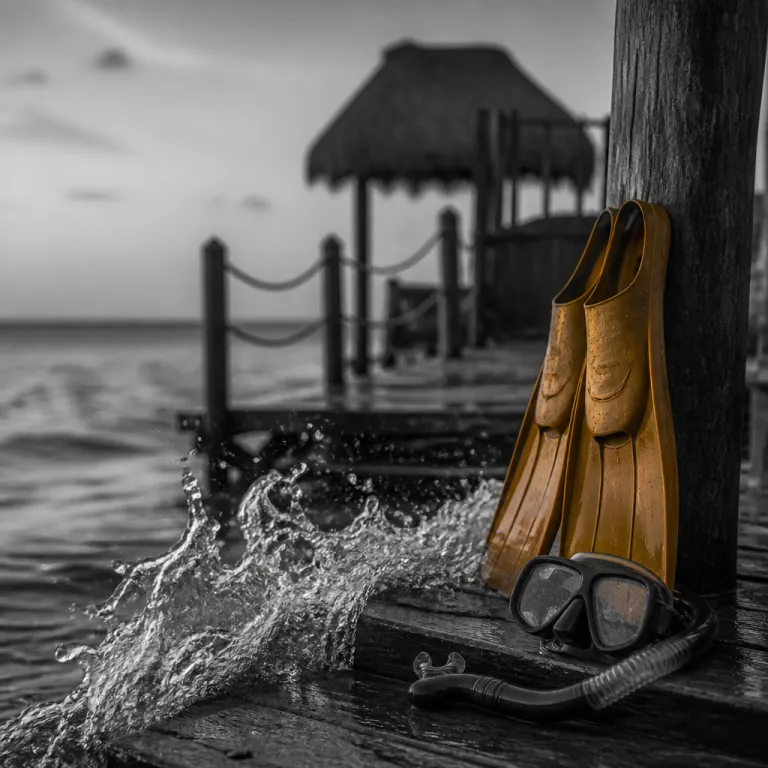
How snorkeling tours in Tulum, Mexico shape your hotel choice
Choosing a hotel in Tulum is easier when you start with the sea. If you know you want to focus on snorkeling tours in Tulum, Mexico, you can narrow your search to properties that sit close to the reef, cenotes, and reliable departure points. This approach ensures your stay feels seamless, with every day beginning just a few minutes from your next snorkeling experience.
Along Tulum Beach, many boutique hotels stretch between the jungle and the water, and some collaborate directly with local operators such as Snorkel Mexico, Tulum Snorkeling Tours, Flying Fish Tulum, Mexidivers, and La Calypso Dive Center. These are long established names in the area, active since at least the mid 2010s according to Quintana Roo tourism operator registries and local business directories (reviewed 2023). When you book a room, ask the concierge which tour partners they trust for reef snorkeling, cenote snorkeling, and combined excursions that include the Tulum ruins or nearby Akumal. Hotels that work with established guides usually coordinate transport, gear, and timing, which matters if you want to fit a half day tour around relaxed afternoons by the pool or on a shaded terrace.
In Tulum Pueblo, hotels place you closer to cenotes Tulum and the road that leads to Dos Ojos, Casa Cenote, and other inland pools. This location suits travelers who plan several cenote snorkeling days, perhaps alternating with one reef tour and one visit to the Tulum ruins. Whether you stay in town or on the beach, confirm that staff can arrange both snorkeling Tulum reef trips and cenote tours in advance, ideally quoting prices in MXN so you can compare options clearly and avoid surprises on your bill.
Reef, cenote, or both : matching tours to your travel style
Every hotel guest arrives with a different idea of the best snorkeling. Some imagine drifting above a coral reef with sea turtles and schools of tropical fish, while others dream of floating in crystal clear freshwater beneath limestone ceilings in a silent cenote. Understanding these contrasts helps you choose between reef tours, cenote experiences, or a Tulum snorkeling itinerary that blends both environments.
Reef excursions usually depart from the beach near the Tulum ruins or from small marinas between Tulum and Akumal, and they focus on shallow coral reef gardens protected by the Mesoamerican Barrier Reef. On these tours you snorkel above branching corals, watch marine life such as rays and sea turtles feed, and feel the gentle push of warm Caribbean water around 27 °C. According to long term sea surface records from the National Oceanic and Atmospheric Administration (NOAA, 1991–2020 climatology for the Mexican Caribbean, accessed 2023), average temperatures near Tulum hover around this level for much of the year. Cenote tours, by contrast, take you inland to cenotes Tulum such as Dos Ojos, Casa Cenote, and other caverns where the water is cooler, visibility is almost unlimited, and the atmosphere feels more meditative than the open sea.
Many operators now offer combined day trips that include a short reef snorkel Tulum session, a visit to the Tulum ruins, and a cenote snorkeling stop at a place like Cenote Dos Ojos or Casa Cenote. These mixed itineraries work well if you are staying only a few days and want a single, efficient snorkeling experience that still feels varied. When you book, ask your guide how much time you will actually spend in the water at each site, and whether the tour is better for confident swimmers, families with children, or complete beginners.
Where to stay for easy access to reefs, cenotes, and turtles
Location is everything when your priority is snorkeling Tulum and nearby sites. Guests who want quick access to the coral reef and sea turtles should look at hotels along the northern stretch of Tulum Beach, close to the archaeological zone and the main boat departure points. From here, a short walk or transfer brings you to small boats that reach the reef in minutes, keeping your focus on the water rather than long drives.
If your dream is cenote snorkeling, consider hotels in Tulum Pueblo or along the highway toward Playa del Carmen, where shuttles to cenotes are shorter and more frequent. Properties in this corridor often arrange early departures to Dos Ojos, Cenote Dos Ojos, Casa Cenote, and other cenotes Tulum, giving you the advantage of quieter water before day tours arrive from Playa del Carmen or farther north. Staying in town also makes it easier to add a second activity, such as a relaxed afternoon at a public beach, a casual meal in Tulum Pueblo, or a visit to the Tulum ruins after your morning tour.
Travelers who want to combine reef, cenote, and perhaps a side trip to Akumal or Playa del Carmen should choose hotels with strong concierge teams and established relationships with operators like Mexidivers or Flying Fish Tulum. Ask whether they can arrange both snorkeling and introductory scuba diving, and whether they can pre book whale sharks excursions in season that depart from ports farther up the coast. A hotel that understands marine life tourism will help you balance your days, leaving space to rest between intense water activities and long transfers.
Understanding tour types, pricing in MXN, and what hotels can arrange
Once you know where you will stay, the next step is choosing the right tour format. In Tulum you will see options for group reef trips, private cenote snorkeling experiences, combined reef and cenote days, and more specialized outings that include scuba diving or whale sharks encounters. Your hotel staff can explain which style suits your swimming ability, schedule, and budget in MXN.
Group reef tours near the Tulum ruins usually last half a day and include snorkeling gear, life jackets, and a certified guide, with prices often starting around 900–1,400 MXN per person in low season and rising during peak holiday periods, based on 2022–2023 rate sheets from local operators and sample quotes from Tulum Snorkeling Tours (consulted 2023). Cenote tours, especially to famous sites such as Dos Ojos or Casa Cenote, may cost slightly more, typically in the 1,200–1,900 MXN range, because they include entrance fees, transport from your hotel, and sometimes lunch during a longer day. Private options, whether for reef or cenotes, give you more flexibility on timing and pace, which can be valuable if you are traveling with children, older relatives, or prefer a quieter snorkeling experience.
Hotels that work regularly with Snorkel Mexico, Tulum Snorkeling Tours, Flying Fish Tulum, Mexidivers, or La Calypso Dive Center can usually secure spots on popular departures even during busy periods. When you book through your hotel, confirm what is included in MXN, from wetsuits to underwater photos, and ask whether you can rent a snorkel or mask separately if you prefer your own gear. It is wise to reserve at least one day in advance, especially between November and April when calm seas and clear visibility make this the best time for snorkeling in Tulum.
Safety, sustainability, and what to expect in the water
Hotel guests often ask whether snorkeling tours in Tulum, Mexico are safe for beginners. The answer is yes, provided you choose reputable operators, listen carefully to your guide, and respect the conditions of the reef, cenotes, and open sea. Most tours include flotation devices, clear briefings, and staff trained to support less confident swimmers in both shallow water and slightly deeper channels.
On reef trips you will usually enter the water from a small boat anchored near the coral reef, then follow your guide in a relaxed line while watching marine life such as parrotfish, rays, and sea turtles. Cenote snorkeling is different, with calm, crystal clear freshwater and overhead rock formations that can feel enclosed, so tell your guide in advance if you are nervous in caves. For both environments, bring eco friendly sunscreen, avoid touching corals or stalactites, and keep a respectful distance from turtles and other animals to protect the fragile ecosystems that make Tulum snorkeling so special.
Responsible operators in Tulum and along the Playa del Carmen corridor follow local regulations that limit boat numbers, control access to sensitive cenotes, and manage whale sharks encounters offshore during specific months. Quintana Roo environmental agencies and initiatives such as the Mesoamerican Reef Tourism Initiative (MAR, updated guidelines 2022) promote codes of conduct for guides, including smaller groups and no touch rules. Your hotel can help you identify companies that prioritize conservation, use smaller groups, and support community projects linked to marine life and freshwater protection. By choosing these tours and following the rules in the water, you help ensure that future guests can enjoy the same clear views of reefs, cenotes, and turtles that you came to see.
Planning your days : from Tulum ruins to Akumal and Playa del Carmen
Snorkeling rarely exists in isolation during a Tulum holiday, especially for hotel guests who want to balance water time with culture and dining. Many travelers pair a morning reef tour with an afternoon visit to the Tulum ruins, which sit dramatically above the sea and offer sweeping views of the coastline you just explored. Others dedicate one day to cenote snorkeling and another to a side trip toward Akumal or Playa del Carmen for different marine life encounters.
Akumal, about 30 minutes from many Tulum hotels, is known for its calm bay where sea turtles graze on seagrass in shallow water. Guided snorkel Tulum and Akumal combinations often include hotel pickup, a structured session with a certified guide, and clear rules on how to behave around turtles to avoid stress or harm. Farther north, Playa del Carmen serves as a departure point for some whale sharks tours in season, as well as for scuba diving on deeper sections of the reef that may appeal to more experienced guests.
When planning your itinerary, consider alternating intense water days with quieter ones that focus on the beach, spa time, or gentle walks through Tulum Pueblo. This rhythm allows your body to recover between long swims, especially if you are not used to several hours in the water under the sun. Your hotel concierge can help you map out a balanced schedule that includes reef snorkeling, cenotes, cultural visits, and perhaps one ambitious day trip without feeling rushed.
A deeper subject : balancing mass tourism with fragile marine and cenote ecosystems
Behind every beautiful snorkeling image from Tulum lies a complex environmental story. The same growth in tourism that fills hotels and fuels demand for the best snorkeling has also increased pressure on the coral reef, cenotes, and underground rivers that define this coastline. As a hotel guest, your choices about where you stay and which tours you book directly influence how these ecosystems will look in the future.
Reef sections near the Tulum ruins and along the Playa del Carmen corridor have experienced coral stress linked to warming water, coastal development, and physical damage from careless snorkeling and diving. Monitoring by Mexican and international researchers, summarized in reports from the Healthy Reefs for Healthy People Initiative (latest regional report card 2022), notes declines in live coral cover in parts of the Mesoamerican Barrier Reef, including Quintana Roo. Cenotes Tulum, including famous sites such as Dos Ojos and Casa Cenote, face their own challenges from increased foot traffic, sunscreen pollution, and changes in groundwater quality. Local operators, environmental groups, and some hotels are responding with eco friendly practices, stricter group sizes, and education that explains why touching corals, chasing turtles, or entering the water with conventional sunscreen can have long term effects.
When you choose a hotel that supports conservation, you help fund initiatives that monitor marine life, restore coral reef sections, and manage access to sensitive cenotes. Ask whether your property works with certified guides, participates in beach cleanups, or supports research on whale sharks and other key species in the region. Small decisions, such as booking tours that limit numbers, following every safety briefing, and respecting no touch rules in both reef and cenote environments, allow you to enjoy an unforgettable snorkeling experience while contributing to the protection of Tulum’s most precious natural assets.
Key figures for snorkeling tourism in Tulum
- Tulum welcomes around 2.5 million tourists per year according to estimates from the Tulum Tourism Board and Quintana Roo state tourism statistics (pre pandemic averages 2018–2019, consulted 2023), and a significant share of these visitors participate in at least one reef or cenote snorkeling tour during their stay.
- The average sea temperature near Tulum is approximately 27 °C based on NOAA sea surface temperature data for the western Caribbean (1991–2020 climatological normals, accessed 2023), which creates comfortable conditions for long snorkeling sessions throughout most of the year.
- Local operators report that the peak season for snorkeling Tulum runs from November to April, when calmer seas and lower rainfall improve underwater visibility compared with the wetter summer months.
- Many guided tours operate daily with morning and afternoon departures, allowing hotel guests to choose between early light on the reef or quieter cenotes later in the day depending on their preferences.
FAQ : practical questions hotel guests ask about snorkeling in Tulum
What is the best time for snorkeling in Tulum ?
November to April offers calm seas and clear visibility. During these months, trade winds are usually gentler, rainfall is lower, and both reef and cenote water conditions tend to be more stable for first time visitors. Hotels and tour operators also run more frequent departures, giving you better flexibility when planning your days.
Are cenote snorkeling tours suitable for beginners ?
Yes, most cenote snorkeling tours cater to all skill levels. Guides provide flotation devices, explain how to move calmly in crystal clear freshwater, and choose routes that avoid tight spaces for guests who feel uncomfortable in enclosed areas.
Do I need to bring my own snorkeling gear ?
No, equipment is typically provided by tour operators. Many hotel concierges can arrange rentals in advance, but if you own a well fitting mask and snorkel, bringing them can improve comfort and reduce plastic use.
Can I combine a visit to the Tulum ruins with a snorkeling tour ?
Yes, several operators offer combined itineraries that include the Tulum ruins and a reef or cenote stop on the same day. These tours usually start early, with archaeological exploration first and water activities later when temperatures rise. Ask your hotel to confirm exact timings so you can plan meals and rest around the schedule.
How far in advance should I book snorkeling tours from my hotel ?
During busy periods, it is wise to reserve at least one day in advance for standard reef or cenote tours, and several days ahead for whale sharks or private excursions. Hotels with strong partnerships can sometimes secure last minute spots, but early booking gives you better departure times. Always request written confirmation in MXN with clear details on inclusions, seasonal pricing, cancellation policies, and pickup arrangements.
References
- Tulum Tourism Board and Quintana Roo state tourism statistics (pre pandemic data 2018–2019, consulted 2023)
- National Oceanic and Atmospheric Administration (NOAA), sea surface temperature climatology for the western Caribbean (1991–2020 normals, accessed 2023)
- Healthy Reefs for Healthy People Initiative, Mesoamerican Reef Report Card (latest regional assessment 2022)