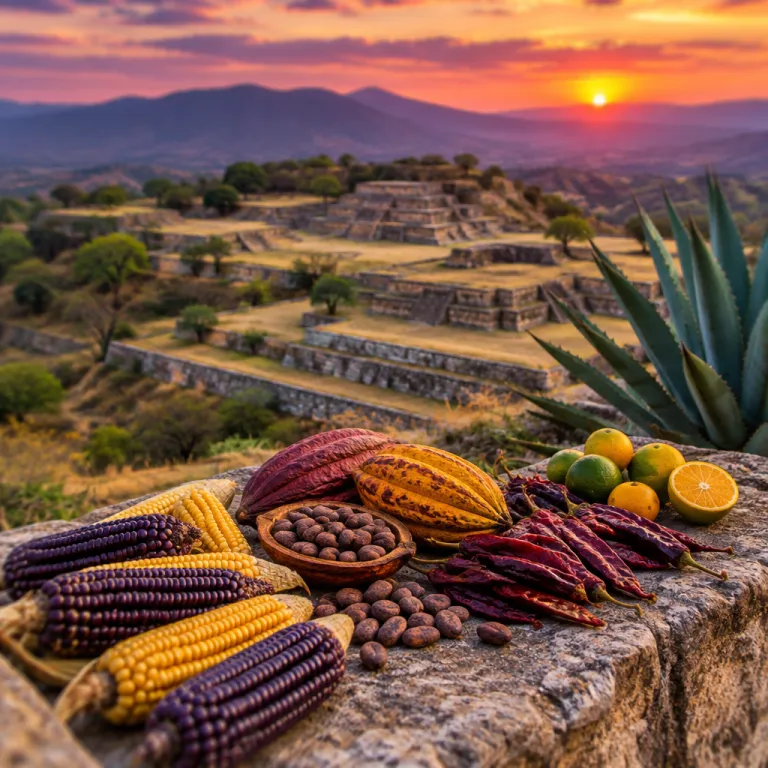
Why Tulum hotel guests should think about an Oaxaca itinerary
Choosing a hotel in Tulum is not only about the room. Your stay will feel richer when your Riviera Maya escape connects thoughtfully with a future Oaxaca itinerary that explores culture and cuisine. Many travellers now split their time between the Caribbean coast and the highland city of Oaxaca for a layered Mexico experience that combines beaches, ruins, and colonial streets.
When you plan Tulum and Oaxaca together, you can compare coastal ruins and inland archaeological sites in a single extended trip. A few relaxed days by the sea in Tulum prepare you beautifully for the denser museum visits, historic city walks, and mezcal tastings that define visiting Oaxaca. This approach to travel lets you enjoy each city and town at the right pace, instead of rushing between distant regions of Mexico without intention or clear logistics.
Think of your Tulum hotel as the first chapter in a broader Mexico story. You might spend one day exploring cenotes and another day on a quiet beach, then later fly from Cancún or Mexico City to Oaxaca City for deeper cultural immersion. That way your chosen hotel in Tulum supports rest and reflection before you enter the more urban rhythm of Oaxaca and its surrounding valleys, where markets, plazas, and evening strolls shape daily life.
Day-trip escapes from Tulum that pair well with Oaxaca’s cultural rhythm
Several classic day trips from Tulum echo experiences you will later find on an Oaxaca itinerary. A cenote circuit, for example, mirrors the sense of wonder you feel at Hierve el Agua near Oaxaca City, where mineral springs form terraces above the valley. Planning both coastal and highland water sites in the same overall journey gives your travel a satisfying narrative arc and helps you compare different Mexican landscapes.
When seaweed season affects Tulum’s beaches, many hotel guests opt for a cenote day that saves the trip, and this underground world contrasts beautifully with the open landscapes around Monte Albán in Oaxaca. You might spend one day swimming in crystal clear caverns, then another day walking pre‑Hispanic plazas above Oaxaca City, comparing how ancient communities in different parts of Mexico shaped their sacred spaces. These paired experiences help you appreciate the country’s diversity rather than seeing each destination in isolation.
From your Tulum base you can also arrange a quiet Sian Ka’an day trip, which feels as serene as wandering a small Oaxacan town at dusk. The reserve’s lagoons and mangroves offer a sense of remoteness that later resonates when you stroll through the city center of Oaxaca in the evening, listening to street music near Templo de Santo Domingo. Thinking ahead to those Oaxacan nights while you float through Caribbean wetlands makes every hour of vacation time feel more intentional and aligned with your broader Mexico travel plan.
How transport choices from your Tulum hotel shape a future Oaxaca city stay
Before you confirm a hotel in Tulum, consider how you will move around for day trips and onward travel. Some properties sit close to the town center, where shared vans and buses make it easy to reach nearby sites without a car. Others along the beach road feel more secluded, which can be restful but may require taxis or rentals for every excursion and for the transfer to the airport.
If you plan to continue from Tulum toward Oaxaca City, your transport habits here will influence what feels comfortable later in the highlands. Guests who are confident driving to nearby ruins or cenotes from Tulum often feel ready to rent a car for rural day trips around Oaxaca, such as visiting El Árbol del Tule or small mezcal villages. Those who prefer guided tours on the coast usually keep that pattern in Oaxaca, booking drivers for Monte Albán, Hierve el Agua, and artisan towns instead of navigating on their own.
Hotel concierges in Tulum can also advise on flights via Mexico City, which is the main air bridge between the Caribbean and Oaxaca. Typical road transfers from Tulum to Cancún International Airport take about two hours by shuttle or private car, while flights from Cancún or Mexico City to Oaxaca usually run around 1.5 hours in the air. When you read practical Tulum Mexico car rental tips for hotel guests, you start to understand road conditions, insurance norms, and realistic driving times across the country, and that knowledge transfers directly to planning safe journeys between Oaxaca’s city center and its surrounding valleys.
From Tulum’s relaxed rhythm to Oaxaca’s historic city center
Many travellers fall in love with Tulum’s slow mornings and want a similar feeling when they later visit Oaxaca. The key is choosing a hotel in Tulum that respects quiet hours and offers shaded spaces, because this sets expectations for how you will rest between intense sightseeing days in any Mexican city. After a few peaceful nights on the coast, you will likely seek accommodation in Oaxaca’s Centro Histórico or Jalatlaco that offers the same balance of calm and access.
Oaxaca City rewards unhurried wandering through its city center, where cobbled streets lead to the Plaza de la Constitución and the complex of Santo Domingo. The Museo de las Culturas de Oaxaca, housed in the former monastery beside Templo de Santo Domingo, demands at least half a day if you want to understand the region’s layered history. Planning this museum time while you still relax in Tulum helps you allocate enough days in your Oaxaca itinerary for both major sites and quieter neighbourhood walks through areas such as Xochimilco or the streets around the zócalo.
As you compare hotels online, notice how beachfront stays in Tulum quietly reshape your view of Tulum real estate and long‑term lifestyle. That same reflective mindset will serve you when you evaluate where to stay in Oaxaca, whether near the zócalo or closer to the artsy Jalatlaco quarter. A thoughtful pairing of coastal and highland city stays turns a simple holiday into a coherent Mexico journey, especially when you match your preferred pace of mornings, siestas, and evenings in both destinations.
Food‑focused day trips from Tulum and how they inspire an Oaxaca itinerary
Staying in Tulum introduces you to Mexico’s coastal flavours, which naturally lead many travellers to plan a food‑centric Oaxaca itinerary next. Beachfront restaurants and town taquerías serve excellent pork tacos, ceviches, and casual street food that highlight the freshness of the Caribbean. After a few days of this lighter cuisine, your palate is usually ready for the deeper, traditional Oaxacan dishes that await in the valleys around Oaxaca City.
From your Tulum hotel you might book a cooking class in a nearby town, learning salsas or seafood techniques from a local chef. That experience becomes a stepping stone toward more elaborate classes in Oaxaca, where markets brim with chiles, chocolate, and corn varieties used in moles and tamales. Many visitors say that once they taste Oaxacan street food and sip small batch mezcal in family‑run palenques, they understand why the region anchors so many serious Mexico travel plans and repeat visits.
Evenings in Tulum often revolve around open air terraces and casual bars, which makes it easy to imagine future nights at rooftop spots in Oaxaca’s city center with views of Santo Domingo. There you can pair mezcal cocktails with city lights, then walk to a bar such as Sabina Sabe for inventive takes on regional flavours. Thinking about these Oaxacan favourites while you sit under palm trees in Tulum helps you decide how many days to allocate to each destination and whether you want a primarily beach‑and‑tacos trip or a deeper culinary journey.
Art, atmosphere, and how Tulum prepares you for Oaxaca’s creative energy
Visual culture in Tulum is changing quickly, with murals, design‑driven hotels, and curated shops lining both the beach road and the town grid. Guests who appreciate this aesthetic often feel drawn to Oaxaca, where street art, galleries, and artisan workshops shape the character of almost every neighbourhood. Planning both destinations together lets you compare how different Mexican cities express creativity in public spaces and in everyday life.
A walk through Tulum town reveals colourful street art that mirrors the energy you later find in Oaxaca’s Jalatlaco and Xochimilco districts. In Oaxaca City, murals share walls with traditional Sunday processions leaving from Santo Domingo Church, creating a dialogue between contemporary expression and long‑standing ritual. Experiencing both scenes in the same extended trip shows how Mexico’s creative communities thrive in coastal and highland settings alike, from beachside boutiques to family‑run talleres.
Back in your Tulum hotel room, you might spend a quiet evening refining an email draft that outlines your ideal Oaxaca itinerary for a local guide. You can describe how much time you want in the city center, which archaeological sites such as Monte Albán interest you most, and whether you prefer free time or structured tours. This reflective planning, done while Caribbean waves roll outside, ensures that your eventual visit to Oaxaca feels as thoughtfully curated as your days in Tulum and gives your combined route a clear structure.
Key figures for planning time between Tulum and an Oaxaca itinerary
- Most travellers need at least three days in Oaxaca City for essentials such as the historic center, Monte Albán, and a mezcal tasting, while five days allow for nature and village day trips; this aligns with common guidance that “3 days for essentials; 5 for villages & nature; 7+ to include coast or more remote areas”, though exact preferences vary by traveller.
- The entry fee for Monte Albán is roughly 95–100 Mexican pesos per person at recent official rates, which helps you compare the cost of highland archaeological sites with Tulum’s coastal ruins when budgeting your overall Mexico journey; always confirm current prices before you travel.
- A mid‑range food budget in Oaxaca City often averages about 35–50 United States dollars per day, slightly lower than many beachfront dining options in Tulum, so allocating more days inland can balance your total trip expenses while still allowing for splurge meals.
- Dry season from roughly November to May usually offers the best weather for both Tulum’s beaches and Oaxaca’s highland sites, which makes this period ideal if you want to combine cenote swims with clear mountain views and comfortable city walks.
- Typical combined itineraries split time with four to six nights in Tulum and three to seven nights in Oaxaca, giving enough days for relaxed beach recovery and deeper cultural immersion without constant packing and transit between hotels and airports.
FAQ about pairing a Tulum hotel stay with an Oaxaca itinerary
How many days should I spend in Oaxaca after staying in Tulum ?
If you have already relaxed for several days in a Tulum hotel, plan at least three full days in Oaxaca City for the essentials. Five days inland works better if you want to add Hierve el Agua, Monte Albán, and nearby artisan towns as day trips. Travellers with a strong interest in food and mezcal often extend to a full week in the valleys to include extra markets, cooking classes, and palenque visits.
Is it better to fly from Cancún or Mexico City to Oaxaca ?
Most Tulum visitors travel by road to Cancún International Airport, then fly directly to Oaxaca City when schedules allow. If direct options are limited, routing through Mexico City usually offers more frequent flights and flexible times, with total travel days often taking five to eight hours door to door. Your hotel concierge in Tulum can help compare current routes, approximate fares, and advise on transfer times from your specific property.
Should I rent a car in both Tulum and Oaxaca ?
Renting a car in Tulum is useful if you plan independent day trips to cenotes and nearby ruins, and that driving experience can make you more comfortable on Oaxaca’s rural roads. However, many visitors rely on guided tours or private drivers in Oaxaca because mountain routes and village signage can be challenging. Choose the same style of transport in both regions if you prefer consistency during your Mexico travels, and always factor in parking, fuel, and insurance costs when comparing options.
Can I visit Monte Albán and Hierve el Agua in one day from Oaxaca City ?
It is technically possible to see both Monte Albán and Hierve el Agua in a single very long day, but most travellers find that rushed. A better Oaxaca itinerary gives each site its own day trip, leaving time for markets, mezcal tastings, or quiet evenings in the city center. Spreading these excursions out also keeps your schedule as relaxed as your earlier days in Tulum and reduces time spent in transit on winding roads.
When is the best season to combine Tulum and Oaxaca in one trip ?
The dry months from late autumn through spring usually provide the most reliable weather for both destinations. During this period, Tulum’s beaches and cenotes are pleasant, and Oaxaca’s highland skies are often clear for views from Monte Albán and Hierve el Agua. Booking your hotel and flights early for these months helps secure better rates, preferred room types, and convenient flight times between the Caribbean coast and Oaxaca City.