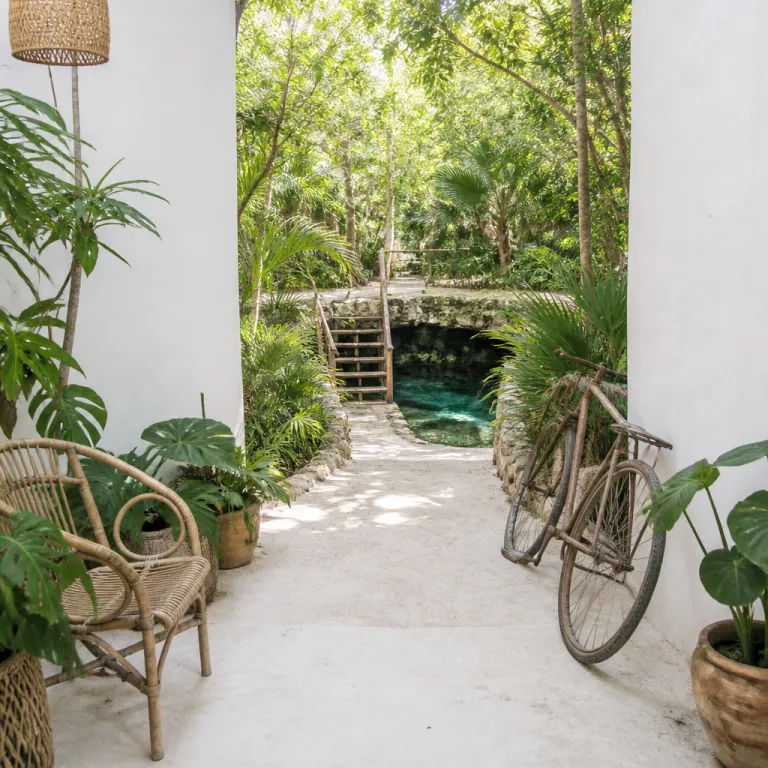
Why hotel location matters when you want tulum cenotes near town
Choosing a stay in Tulum town rather than the distant beach strip gives you faster access to several cenotes near the urban core. From most hotels in central Tulum México you can reach many of the best cenotes Tulum offers within about 10 to 20 minutes by taxi, bicycle, or guided transfer. This saves precious time in the tropical heat and lets you plan more than one cenote visit in a single relaxed day.
When you look at a map of the Yucatán Peninsula, Tulum Mexico sits almost on top of a dense limestone shelf riddled with underground rivers and sinkholes. That geology explains why there are thousands of cenotes near Tulum and why staying close to town places you right on the edge of this freshwater network. For hotel guests who value comfort, it means you can step from an air conditioned lobby to cool cenote water without committing to long highway drives toward Playa del Carmen or farther across the peninsula.
Many travelers arrive focused on the beach and underestimate how central cenotes are to the Tulum experience. If you plan ahead and choose accommodation in or just outside Tulum town, you can treat each cenote visit as a short local excursion rather than a full day expedition. This approach is especially helpful for families, first time visitors to México, and anyone who wants to balance pool time, restaurant evenings, and early morning swims in the best cenotes near town.
Gran Cenote and nearby options that pair well with a Tulum hotel stay
Gran Cenote is the classic choice for guests staying in Tulum town who want clear water, easy access, and reliable facilities. Located roughly 4 km from Tulum center, it usually takes less than 10 minutes by taxi from most hotels, and recent visitor reports mention an entrance fee in the mid hundreds of pesos according to local operators. Because of that short travel time, many visitors treat Gran Cenote as a half day outing and return to their rooms before the strongest midday sun.
This semi open cenote combines shallow sandy areas with deeper sections where turtles glide through turquoise water. Wooden platforms and ladders make it comfortable for different ages, and life jackets are typically included in the entrance fee or available for a small extra number of pesos per person. If you are comparing the best cenotes near town, Gran Cenote usually ranks high for first time visitors who want a beautiful place that still feels manageable and not too wild.
Close to Gran Cenote you will also find other cenotes Tulum regulars appreciate, such as Cenote Zacil Ha and Cenote Cristal, which can be combined in one circuit from your hotel. Many guests say they visited Gran Cenote in the morning, returned to Tulum México for lunch, then took a second taxi to another cenote in the afternoon. That flexible schedule is only realistic when you base yourself in or near Tulum town instead of a remote stretch of coast toward Playa del Carmen or beyond.
Cenote Calavera and character filled spots near Tulum town
Cenote Calavera sits roughly 3 km from the center, which makes it one of the closest cenotes near Tulum for hotel guests who prefer to cycle. The ride from many properties in Tulum town takes about 10 to 15 minutes, and you can pay the entrance fee in cash with pesos at the small roadside gate. Because of its proximity, some travelers even stop at Cenote Calavera on their arrival or departure day when they have limited time.
The name Calavera means skull, and the cenote itself is a circular pit with three dramatic holes in the limestone ceiling. Swimmers jump through these openings into deep blue water, while ladders allow a more cautious entrance for those who prefer to climb rather than leap. It is not the best choice for very young children, but for adults and older teens staying in Tulum México it offers a memorable place that feels adventurous yet still close to town.
Hotel concierges often recommend combining Cenote Calavera with a stop at Gran Cenote or another cenote near Tulum on the same road. Because both sites are so close to Tulum town, you can visit one in the early morning, return to your room for a rest, then head back out later in the day. Many guests mention in post stay feedback that Cenote Calavera was the most photographed place they visited, especially the swing and ladder that hang over the underground pool.
Planning day trips from Tulum hotels to Dos Ojos, Sac Actun and beyond
While Gran Cenote and Cenote Calavera are the obvious Tulum cenotes near town, many hotel guests also want to experience the larger systems such as Dos Ojos and Sac Actun. These lie farther along the highway toward Playa del Carmen, yet staying in Tulum town still shortens the drive compared with basing yourself in Playa del Carmen itself. From most central hotels, you can reach the Dos Ojos park entrance in about 25 to 30 minutes by taxi or tour van.
Dos Ojos, which means two eyes, is famous for its twin pools of crystal clear water connected by extensive underground passages. Certified divers consider it one of the best cenotes in the region for scuba diving, while snorkelers can still appreciate the stalactites and beams of light that cut through the caverns. Nearby, the Sac Actun system offers guided cave routes where you float through sections of underground river wearing life jackets and headlamps.
Because these sites are more complex than the cenotes near Tulum town, I recommend booking through your hotel or a reputable operator that includes transport, entrance fee, and equipment. Packages are usually priced in pesos per person and may combine Dos Ojos with another cenote such as Nicte Ha or a stop at a local restaurant. When you return to your hotel in Tulum México after several hours in cool water, you will appreciate having chosen a base that keeps transfer times reasonable.
How cenote costs, safety and timing affect your hotel choice
For most cenotes Tulum visitors pay a separate entrance fee in cash, so location and pricing should influence where you stay. Gran Cenote often charges several hundred pesos per person, while smaller spots near Tulum town such as Cenote Cristal or Cenote Nicte Ha can cost less. When you add taxis or bicycle rentals, the total fee in pesos for a day of cenote hopping can rival the price of a guided tour.
Arriving early is the single best strategy for enjoying Tulum cenotes near town with fewer crowds and softer light. Many open around 8:00 or 9:00 in the morning, and if you leave your hotel in Tulum México soon after breakfast you can often swim almost alone for the first hour. Later in the day, tour buses from Playa del Carmen and other parts of the Yucatán Peninsula increase visitor numbers and make parking more difficult.
Safety is generally good, yet you should always respect depth markers, wear life jackets if you are not a strong swimmer, and follow staff instructions. As one local information sheet explains, “Are cenotes safe for swimming? Yes, most are safe; always follow local guidelines and safety measures.” Hotels that work regularly with cenote operators tend to brief guests clearly about water conditions, recommended time of day to visit, and whether a particular cenote is suitable for children or for activities such as scuba diving.
Beyond Tulum town: cenote Suytun, Cenote Kil and regional highlights
Some hotel guests use Tulum town as a base not only for Tulum cenotes near town but also for day trips deeper into the Yucatán Peninsula. Cenote Suytun near Valladolid, with its famous circular platform and shaft of light, is a striking example that often appears in every social media post about Mexican sinkholes. Reaching it from Tulum México takes more time, yet many travelers still choose this route because they can return to a familiar hotel room after a long day on the road.
Farther north, Cenote Kil near Chichén Itzá offers a different atmosphere, with high walls draped in vines and a broad pool of deep green water. These sites are not cenotes near Tulum in the strict sense, but they form part of the same underground system that runs beneath the region. When you compare them with closer options such as Gran Cenote, Cenote Calavera, Cenote Cristal, or Cenote Nicte Ha, you will notice how varied these formations can be even within a single geological corridor.
Because of the longer driving time, I recommend booking organized excursions to Cenote Suytun or Cenote Kil that include transport, entrance fees, and sometimes meals. Many tours depart from Tulum town early in the morning, stop at archaeological sites, then finish with a refreshing swim before returning to your hotel in the evening. This way you can enjoy both the best cenotes near town and the more distant icons without changing accommodation or sacrificing comfort.
Key figures about cenotes near Tulum for hotel based travelers
- Local tour data suggests there are several thousand cenotes across the wider region, with one operator estimating around 6 000 cenotes on the Yucatán Peninsula, which explains why cenotes near Tulum are so numerous and varied.
- Gran Cenote lies roughly 4 km from the center of Tulum town, which translates to about a 10 minute taxi ride from many hotels, making it one of the most convenient high profile sites for short visits.
- Typical opening hours for popular cenotes near Tulum run from about 8:00 or 9:00 in the morning until late afternoon, so guests who leave their hotel early can comfortably visit two or even three places in one day.
- Entrance fees for cenotes Tulum visitors usually range from around 200 to 500 pesos per person, and when you factor in transport this can represent a significant share of a daily activity budget for a couple or family.
FAQ about staying in Tulum for easy cenote access
What is a cenote and why are there so many near Tulum
A cenote is a natural sinkhole formed when limestone collapses and exposes the groundwater flowing through underground rivers. Tulum Mexico sits on a porous limestone platform, so rainwater carves tunnels beneath the surface and creates numerous openings. This geology explains why hotel guests in Tulum town have such a wide choice of cenotes near their accommodation.
Are cenotes near Tulum safe for swimming
Most cenotes near Tulum are considered safe when you follow posted rules and staff guidance. Operators usually provide life jackets, mark deep areas, and monitor visitor numbers during busy times. If you plan activities such as scuba diving in systems like Dos Ojos or Sac Actun, always use certified guides and check that your travel insurance covers this type of water activity.
Do I need to book cenote visits in advance from my hotel
For Tulum cenotes near town such as Gran Cenote or Cenote Calavera, you can usually arrive independently and pay the entrance fee at the gate. During peak holiday periods, some hotels and tour companies may reserve time slots or organize small group transfers to avoid queues. For more complex sites like Sac Actun or combined excursions to Cenote Suytun and Cenote Kil, advance booking through your hotel concierge is strongly recommended.
Is it better to stay in Tulum town or on the beach for cenotes
If your priority is quick access to multiple cenotes Tulum offers, staying in or near Tulum town is usually more practical. You will be closer to the main road that leads to Gran Cenote, Cenote Calavera, Dos Ojos, and other places, which reduces travel time and taxi costs in pesos. Beachfront properties offer direct sea views but often require longer transfers for every cenote visit.
Can I visit more than one cenote in a single day from Tulum
Yes, many hotel guests comfortably visit two or even three cenotes near Tulum in one day, especially when they start early. A common route is to swim at Gran Cenote in the morning, return to Tulum México for lunch, then continue to Cenote Calavera or Cenote Cristal in the afternoon. With careful planning of entrance fees, transport, and time, you can experience a variety of water environments without feeling rushed.
Sources
Sources used for factual verification include data from Maya Explorer Tours, local information from Tribu Tulum, and regional tourism statistics from the Quintana Roo tourism board. Always confirm current entrance fees, opening hours, and safety rules with your hotel or the cenote operator before you travel, as local conditions can change.