Janal Pixán in Tulum town: understanding the quiet heart of the celebration
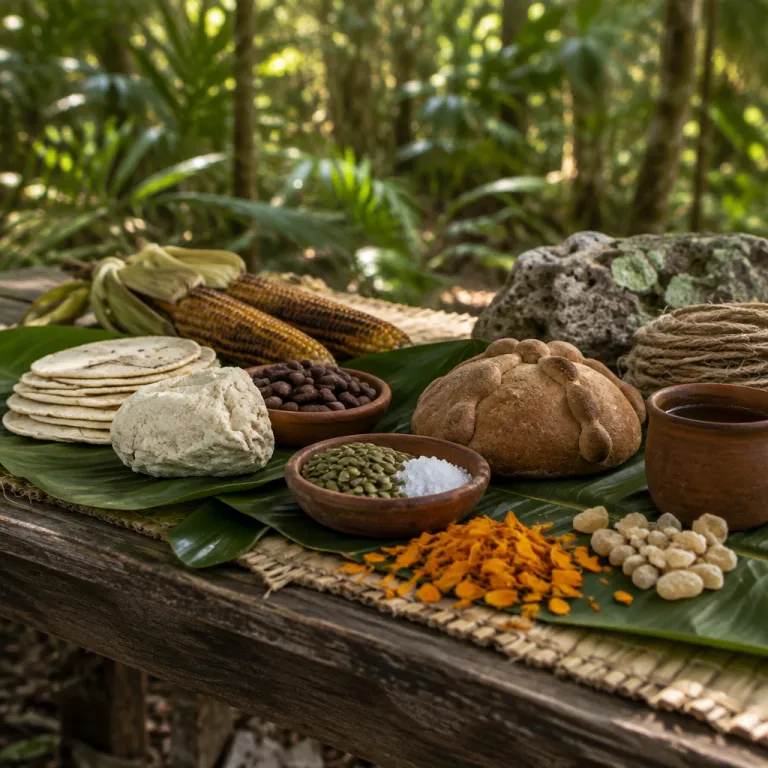
In Tulum, Día de Muertos is filtered through Janal Pixán, the Maya “food of the souls” ritual that turns the city into a soft, flickering map of memory. This is not the cartoonish day of the dead celebration you see in films; it is a family centered practice where altars, or altares, are built so the dead can share food, drink, music and stories with the living for one brief day. When you plan a dia de muertos Tulum trip, remember that the role of Día is not entertainment but a reunion, and your presence should feel as discreet as a guest at a wake.
Most of the public life of Janal Pixán in the city gathers around the Municipal Palace esplanade, where in recent years the Paseo de las Ánimas procession, altar contests and regional altar exhibitions have taken place between late October and early November. The municipality usually publishes the annual program and approximate start times for the procession and stage performances on its official social media and tourism channels, so before you book a room, check those sources for the exact dates that year. The time window is short and the best experience day often falls on a school night when local families can still attend, with the walk of the souls typically beginning after sunset so candles and cempasúchil petals can guide the way. Think of the plaza not as a festival ground but as a shared place where Tulum residents, their family members and their dead relatives briefly occupy the same streets, guided by flowers, candles and the smell of pan de muerto and other sweet bread offerings.
On the ground, the facts of Día are simple yet powerful; Janal Pixán means that foods and drinks become a bridge, and every plate of tamales or pan de muerto on the altars is a message that life continues in another form. You will see children with painted skulls on their faces, but the point is not the skulls themselves; it is the way candles, photographs and small offerings turn a plastic table into a doorway between worlds for one night. Respect that role of Día by keeping your camera low, asking before you photograph any altar, and remembering that for many in this Mexico city by the sea, the day of the dead is less about spectacle and more about sitting quietly while the past pulls up a chair.
Where to stay for Día de Muertos in Tulum when you are traveling with children
For families, the smartest way to experience dia de muertos Tulum is to sleep in or near Tulum town, not only on the beach road. Staying in the city keeps you close to the Municipal Palace, where the main dead celebration events, altar displays and evening performances usually unfold between late October and early November. It also means that when small children hit their limit for foods and drinks, you can walk or take a short taxi back to your room in ten minutes instead of negotiating a long, dark beach road ride at an awkward time of night.
Look for hotels on or just off Avenida Tulum and Avenida Satélite, where you can book interconnecting rooms or small suites with kitchenettes and still reach the plaza altars on foot. Family friendly options in this area often include simple city hotels such as Hotel Posada 06 Tulum, which offers compact suites and a small pool, or mid range properties like Hotel El Punto and Hotel Tiki Tiki, which provide air conditioning, breakfast and easy access to taxis for short rides into the center. In this part of Mexico, day and night temperatures can stay warm and humid, so a shaded courtyard pool and reliable air conditioning will matter more than a rooftop bar when you return from a city visit after the procession. If you are planning a longer trip that mixes Janal Pixán with cenotes, reef snorkeling and maybe a future romantic escape, study curated guides to Tulum Mexico honeymoon packages and family friendly stays, then reserve early because late October is a shoulder season that fills quickly with Mexico City families chasing the same quiet, authentic experience.
When you plan the trip, think in terms of rhythm rather than a packed festival checklist; one day for the Paseo de las Ánimas and plaza altars, another day for a slow beach morning and an afternoon nap before evening candles. A third day can be for a side excursion, perhaps to a cenote or to a calmer stretch of sand away from the loudest beach clubs, so the children’s memories of Día de los Muertos include both the glow of cempasúchil flowers and the feel of warm water at their feet. If you travel with grandparents or other family members, consider ground floor rooms to avoid late night staircases after the day of the dead events, and always ask the hotel how they handle quiet hours during the festival nights.
Private family rituals in your hotel: keeping Janal Pixán intimate and off camera
The most meaningful part of dia de muertos Tulum for many visiting families will not happen in the city square at all, but in a quiet corner of their hotel room or terrace. Janal Pixán is about inviting your own dead to the table, so ask your hotel if you may set up a small private altar with photos, candles and a plate of pan de muerto or other sweet bread that your children can help arrange. This turns the abstract idea of a Mexico day of the dead celebration into something tactile and calm, where the role of Día is explained through stories rather than costumes.
Many hotels in Tulum are used to guests marking Día de los Muertos and will gladly provide a small table, a glass of water to quench thirst for the visiting souls and perhaps a few cempasúchil flowers from their garden. You can buy sugar skulls, candles and simple foods and drinks in town, then walk back before dark to build the altar together, letting the children place each object and say the names of the family members they want to invite. If your hotel has a garden or a quiet rooftop, ask whether you may use that place at a set time, keeping music low so other guests can rest while you hold your own experience day of remembrance.
Couples who have previously read about how Tulum Mexico wedding venues shape your stay often return later with children, and Día de los Muertos becomes a moment to connect those life chapters. They might tell the story of their ceremony while lighting candles for grandparents, turning the day of the dead into a bridge between past vows and present responsibilities. In that sense, the facts of Día are not abstract; they are the way shared foods and drinks, small offerings and quiet conversation let you fold loss into daily life without spectacle, and a hotel room can be as sacred a place as any city altar when treated with that care.
Beyond the plaza: Xcaret, cenotes and how not to turn grief into content
Once you understand the quieter core of dia de muertos Tulum, you can decide how much spectacle you actually want. The region’s largest staged event is Xcaret’s Festival of Life and Death Traditions near Playa del Carmen, a ticketed festival with elaborate altars, cempasúchil flowers, dances, workshops and a curated program that feels closer to theatre than to a neighborhood day of the dead vigil. It is impressive, especially for children who love costumes and music, but it is also a full day commitment with transport, queues and foods and drinks priced at theme park levels.
If you go, frame it as one chapter in a wider Mexico trip rather than the definitive Día experience, and balance it with time in Tulum town where the dead celebration is smaller, more local and less mediated. Families who plan the trip well often pair one Xcaret day with another day exploring cenotes or reef sites off Tulum, using trusted guides to refined underwater adventures so the children associate Mexico not only with skulls and sugar skulls but with coral, fish and the feel of limestone underfoot. For ideas on how to weave reef time into your stay without exhausting everyone, look at specialist advice on Tulum Mexico scuba diving spots for hotel guests seeking refined underwater adventures, then slot those outings between the more emotional nights of Janal Pixán.
Wherever you go, the etiquette is the same; remember that every altar, whether in a city plaza or at a theme park, represents someone’s dead, not a backdrop. Ask before taking close up photos of altars or of people in calavera makeup, keep flash off during prayers, and resist the urge to stage your children among the skulls just for a perfect frame. The most honest way to honor the role of Día is to let the day of the dead change your own family rituals a little, so that when you leave Mexico City airport or drive back from Tulum to Cancún, you carry more than facts about Día — you carry a quieter way of walking through places where other people’s grief is still alive.
FAQ
When should I book a hotel in Tulum for Día de Muertos?
Book your Tulum hotel several months before late October, because Día de Muertos overlaps with a shoulder season when both international visitors and Mexico City families arrive. The main public events in Tulum town usually fall between around 30 October and 2 November, but you should verify the exact year’s program on the municipality’s official channels. Aim to arrive at least one day before the first procession so your family can adjust to the heat and settle into the city before the late night activities begin.
Is Día de Muertos in Tulum suitable for young children?
Yes, Día de Muertos in Tulum is generally family friendly, with early evening altar displays, music and food stalls around the Municipal Palace that children tend to find fascinating rather than frightening. The imagery of skulls and sugar skulls is stylized and colorful, and local families bring their own children, which helps visitors’ kids feel at ease. Plan for heat, crowds and late bedtimes, and choose a hotel within a short walk or taxi ride so you can leave the plaza as soon as your children are tired.
How is Janal Pixán in Tulum different from the Day of the Dead in other parts of Mexico?
Janal Pixán in Tulum is rooted in Maya tradition and emphasizes food offerings, family altars and a quieter sense of reunion, while some other regions focus more on cemetery vigils or large parades. Compared with Mexico City’s big day of the dead parade, Tulum’s events feel smaller, more local and less commercial, with the Municipal Palace esplanade as the main gathering point. You will still see familiar elements like cempasúchil flowers, candles and pan de muerto, but the atmosphere is more like a neighborhood gathering than a national spectacle.
What should I avoid doing to be respectful during Día de Muertos in Tulum?
Avoid treating altars or grieving family members as props for photos, and never touch offerings such as food, drink, candles or personal objects on an altar. Keep your voice low near ceremonies, ask before photographing people in calavera makeup and step back if someone seems uncomfortable. Dress modestly, skip costumes that parody death and remember that for locals this is a sacred time to honor their dead, not a themed party.
Is it worth visiting Xcaret’s Festival of Life and Death Traditions from Tulum?
Xcaret’s Festival of Life and Death Traditions is worth a visit if your family enjoys large scale performances, workshops and curated cultural programming, and you are comfortable with a full day excursion and ticket prices. It offers a concentrated view of altars, dances and regional traditions, but it feels more like a staged festival than the organic Janal Pixán evenings in Tulum town. Many families choose to do both, using Xcaret for spectacle and Tulum’s Municipal Palace events for a more intimate sense of how local residents live the day of the dead.