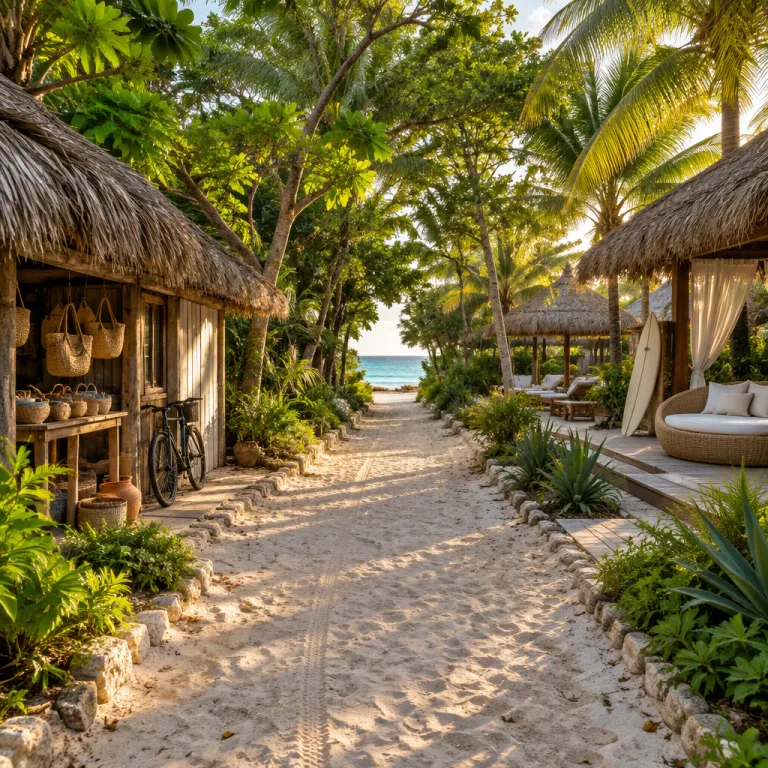
Why your Tulum month is defined by rent, not lattes
Tulum looks like the perfect digital mirage for any remote worker. The Caribbean beach glows, the jungle hums, and every café promises wifi that feels fast enough for your next client call. What matters more than the latte art, though, is the quiet number on your lease and how that shapes your entire cost of living in Tulum Mexico.
For a tulum digital nomad, the honest budget starts with housing, then everything else falls into place around that single decision. A lean month in Tulum Mexico can sit around US$1,600 if you choose carefully, while a comfortable range between US$2,000 and US$2,300 lets you enjoy good food, air conditioning and the occasional beach club without panic. Push into the full beach clubs fantasy and high season housing, and you are suddenly in the US$2,700 to US$4,000 bracket where the Instagram budget quietly lives.
Rent in Tulum pueblo or Aldea Zama usually decides which of those three lives you inhabit. A studio or one bedroom away from the beach can run from about US$600 to US$1,200, while a new condo with a pool in Aldea Zama or another modern area can cost between US$1,000 and US$1,800. The same apartment that felt cost affordable in October at around US$600 can cross US$1,000 from January to March, and that seasonal swing is what many digital nomads underestimate when they plan to work Tulum into their year.
Years ago, people came to Tulum for a few beach days and never checked the internet speed. Now digital nomads arrive with speed tests ready, asking about mbps, backup routers and whether the wifi holds during tropical storms. The tulum digital nomad reality is that your rent, your internet and your air conditioning bill will shape your days far more than the price of a mezcal margarita on the beach road.
Think of your budget in layers rather than line items. First layer is rent and utilities, then food and transport, then the optional layer of beach clubs, yoga passes and cenote days that make Tulum feel great but quickly double your cost living if you are not paying attention. The smartest remote workers I meet in Tulum Mexico start by picking their zone and season, then let the rest of their month arrange itself around that anchor.
When you are choosing a hotel in Tulum as a remote worker, you are effectively choosing which of these three budgets you will live inside. A hotel in the hotel zone on Tulum beach with direct sand access and a stylish beach club will push you toward the upper range, especially in high season. A property in Tulum pueblo or Aldea Zama with strong wifi and a quiet pool will keep you closer to the lean or comfortable brackets, while still letting you reach the beach road in fifteen minutes.
Lean vs comfortable: the real monthly numbers behind the dream
Strip away the drone shots and the tulum digital nomad budget becomes surprisingly clear. On a lean month, you are aiming for around US$1,600, which means a modest room or small apartment in Tulum pueblo, simple food and limited beach clubs. A comfortable month for most digital nomads lands between US$2,000 and US$2,300, where you can eat well, work in coworking spaces and still feel good about your savings rate.
Start with rent, because that is where the cost living in Tulum Mexico either stays sane or goes bad quickly. A basic studio or one bedroom away from Tulum beach will usually cost between US$600 and US$1,200, depending on whether you are in Tulum pueblo, Aldea Zama or another residential pocket. A newer condo with a pool in Aldea Zama or near the beach road often runs from US$1,000 to US$1,800, and that single choice can double your monthly cost before you have eaten a single taco.
Daily life costs are more predictable and easier to keep cost affordable if you pay attention. Local meals in town taquerías or fondas usually sit around US$7 to US$9, while restaurant meals in trendier spots can reach US$15 to US$20, especially along the hotel zone and beach road. Groceries for one person often land between US$300 and US$400 per month, and electricity plus internet together usually range from US$80 to US$150, depending on how hard you run the air conditioning while you work.
For a tulum digital nomad on a lean budget, that might look like US$700 rent in Tulum pueblo, US$350 on groceries and local food, US$100 on utilities and internet, US$150 on transport and incidentals, then a final US$300 for the occasional beach club, coworking pass or cenote day. A comfortable budget might push rent to US$1,200 in Aldea Zama, add US$400 for food, US$150 for utilities and internet, US$150 for transport and US$400 to US$500 for coworking spaces, yoga and evenings at a beach club. Once you start stacking high season hotel zone prices, daily taxis to Tulum beach and regular dinners at places like ARCA or Hartwood, you are quietly stepping into the US$2,700 to US$4,000 territory where the Instagram version of Tulum lives.
Many remote workers compare Tulum with Playa del Carmen or even further up toward Cancún, and the difference often comes down to housing and transport rather than food. Playa del Carmen and the area around Playa del can feel cheaper because you can walk more and rely less on taxis, while Tulum stretches between Tulum pueblo, Aldea Zama and the hotel zone along the beach road. If you are trying to keep your cost affordable, staying closer to where you work and eat matters more than chasing the most photogenic stretch of sand.
Before you book a hotel, sketch your own nomad guide style budget on paper. Decide whether you want to live like the tulum digital nomad on a lean plan or the remote worker who treats every day like vacation. For a deeper breakdown of what hotels, food and long stays really cost in this part of Mexico, it is worth reading a detailed analysis of whether Tulum Mexico is expensive and how hotel and food prices stack up over a month, which helps you benchmark your own numbers against real examples.
Picking your zone: Aldea Zama, town or the beach road
Where you sleep in Tulum shapes how you work, eat and spend. The three main zones for a tulum digital nomad are Tulum pueblo, Aldea Zama and the hotel zone along the beach road, each with its own rhythm and price tag. Your choice here will decide whether your month feels grounded and productive or like an endless, expensive vacation you did not mean to book.
Tulum pueblo is where many digital nomads and remote workers quietly base themselves. The town grid is flat and walkable, with cafés, coworking spaces and local food that stays good and cost affordable even when the hotel zone surges with visitors. Internet connections in Tulum pueblo are usually stable, and you will find plenty of apartments and small hotels that advertise wifi with 50 to 100 mbps, which is enough for most remote work, video calls and cloud based projects.
Aldea Zama sits between town and Tulum beach, a planned neighborhood of low rise condos, leafy streets and a growing number of cafés and restaurants. For a tulum digital nomad, Aldea Zama offers a compromise between the raw energy of Tulum pueblo and the polished scene of the beach road, with newer buildings, pools and often better sound insulation. Many digital nomads choose Aldea Zama because the internet infrastructure is newer, the wifi speeds are more consistent and you can bike to both town and the beach club strip without relying on taxis every day.
The hotel zone along Tulum beach and the beach road is where the Instagram version of Tulum lives, with design forward hotels, candlelit restaurants and beach clubs that charge a premium for day beds and cocktails. Staying here as a remote worker feels seductive at first, but the cost living jumps sharply, and the wifi can be surprisingly bad in some older properties that were never designed for digital work. You might find yourself paying high season rates for a room where the internet drops every time the wind shifts, which is not ideal when you are trying to work Tulum hours across time zones.
For most remote workers, the smart move is to sleep in Tulum pueblo or Aldea Zama and treat Tulum beach as a place you visit, not a place you pay rent on. That way you can enjoy a beach club once or twice a week, then retreat to a quieter, more connected base where the wifi is strong, the food is cheaper and the nights are calmer. A good nomad guide to Tulum will always emphasize this split between where you live and where you play, because it keeps both your budget and your energy in a healthier place.
When you are choosing a hotel for remote work, ask specific questions about internet speed, backup connections and workspace. You want to hear concrete numbers like 50 or 100 mbps, not vague promises that the wifi is great, and you want to know whether there is a quiet corner or dedicated coworking area where people actually work. For more detail on how to choose the right hotel for work and play, including which properties in Tulum Mexico genuinely cater to digital nomads rather than just using the word in their marketing, a focused guide to Tulum coworking stays can be invaluable.
Wifi, seasons and the quiet power of saying no to the beach club life
Ask any long term tulum digital nomad what really shapes their month and they will mention two things quickly. First is the season they arrive, and second is the quality of the wifi in their building or hotel. Everything else, from beach clubs to yoga passes, becomes optional once those two pillars are stable.
Seasonality in Tulum Mexico is not just about crowds on Tulum beach, it is about rent and availability. The same apartment in Aldea Zama that costs around US$600 in October can jump to US$1,000 or more from January to March, and hotels along the beach road and in the hotel zone follow a similar curve. Arriving in the shoulder months, when the humidity drops but the peak season has not fully started, lets digital nomads lock in better rates and avoid the scramble for last minute rooms that often pushes people into bad, overpriced choices.
Internet quality is the other non negotiable for remote workers, and it is where the fantasy of a rustic beach cabana often collides with reality. Many older properties on the sand were built for holidaymakers, not for people doing remote work, and their wifi can be patchy, with low mbps and frequent drops when storms roll through. In contrast, newer buildings in Tulum pueblo and Aldea Zama usually have more reliable internet, better routers and sometimes even dedicated coworking spaces on site, which makes day to day work feel smooth rather than stressful.
There is also a growing conversation in Tulum about sustainability and how the hotel zone and beach clubs impact the coastline and local community. Some remote workers now prefer to stay in eco conscious hotels or apartments in town, then visit Tulum beach by bike or colectivo, rather than living directly on the sand. If you care about both your budget and your footprint, it is worth reading about how eco friendly hotels in Tulum are redefining the modern beach escape and what that feels like for longer stays.
Saying no to the constant beach club circuit is not about deprivation, it is about choosing how you want your month to feel. A tulum digital nomad who treats beach clubs as a weekly treat rather than a daily habit will spend far less, sleep better and probably get more work done, while still enjoying the Caribbean when it counts. The real luxury in Tulum is not the day bed minimum spend, it is the ability to close your laptop at four, bike to the sea and walk the shoreline at low tide before heading back to a quiet room where the wifi just works.
For remote workers comparing Tulum with Playa del Carmen or even smaller towns near Playa del, the trade off is clear. Tulum offers a more dispersed, nature heavy setting with higher transport costs and a sharper divide between Tulum pueblo, Aldea Zama and the hotel zone, while Playa del Carmen concentrates everything along a denser grid that can feel less magical but more practical. In the end, the best nomads and remote workers choose the place where their work, their budget and their daily rituals align, not the place that looks best from a drone.
Key figures for remote workers in Tulum
- Realistic monthly budgets for a tulum digital nomad range from about US$1,600 for a lean lifestyle to US$2,000–US$2,300 for a comfortable stay, with US$2,700–US$4,000 common when you add frequent beach clubs and high season housing, according to cost of living analyses focused on remote workers in Tulum and month-long remote work costs in Tulum 2025.
- Typical rent for a studio or one bedroom away from Tulum beach runs between US$600 and US$1,200 per month, while a newer condo with a pool in areas like Aldea Zama usually costs US$1,000–US$1,800, based on market data compiled for digital nomads in Mexico and rental listings reviewed in early 2025.
- Daily life expenses for one person in Tulum Mexico often include US$7–US$9 for local meals, US$15–US$20 for restaurant dinners in trendier areas, US$300–US$400 per month for groceries and US$80–US$150 for electricity plus internet, figures that align with on the ground reports from long stay remote workers and a 2025 Numbeo summary for Quintana Roo.
- Wifi speeds in modern Tulum apartments and hotels commonly reach 50–100 mbps, which is sufficient for most remote work, while some older properties along the beach road and in the hotel zone still struggle with lower speeds and less stable connections during storms, a pattern reflected in 2024–2025 Speedtest by Ookla regional reports for the Riviera Maya.
- Seasonal rent swings mean that the same unit that can be rented for around US$600 in October may cost more than US$1,000 between January and March, a pattern that makes shoulder season arrivals financially attractive for many digital nomads and is repeatedly noted in 2024 and 2025 cost of living breakdowns for Tulum.
References
- Nomad Humans – Cost of living breakdowns and housing data for digital nomads in Tulum, updated with 2024–2025 rental examples and month-long stay budgets.
- Numbeo – Crowd sourced cost of living comparisons for Mexican beach towns and major cities, including a 2025 summary for Quintana Roo and nearby Riviera Maya destinations.
- Speedtest by Ookla – Aggregated internet speed data for regions across Mexico, including 2024–2025 reports for Quintana Roo and the wider Riviera Maya corridor.