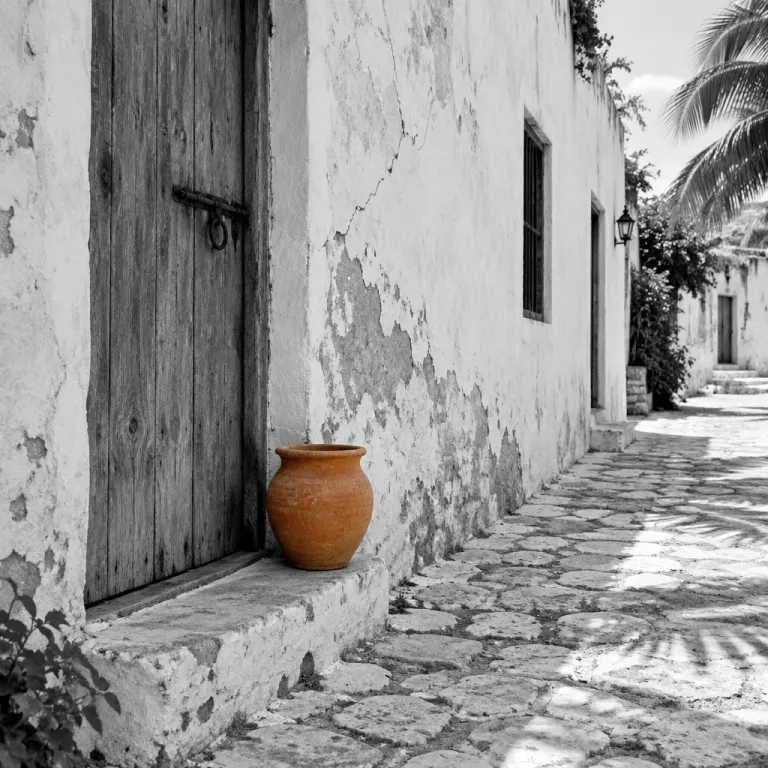
Why Tulum Pueblo is the key to understanding local culture
Staying in Tulum Pueblo places you at the heart of everyday life in Tulum, Mexico. This compact town in Quintana Roo sits a few kilometres from the Caribbean beach yet feels rooted in local routines rather than in the polished hotel zone. You move between taco stands, family run shops, and street art murals that tell stories of ancient Maya heritage and modern creativity.
The town of Tulum, Mexico grew around the highway that links Cancún, Playa del Carmen, and the wider Yucatán Peninsula. That road once carried traders between the ancient Maya port at the Tulum ruins and inland cities such as Cobá and Chichén Itzá, and today it carries travellers who want more than a quick beach photo. When you base yourself in the town instead of only by the beach, you see how local families actually live, work, and celebrate each day.
Many visitors think the best things Tulum offers are only on the sand, yet the most authentic cultural moments often happen far from a beach club. You might share a plastic table with workers on their lunch break, eating cochinita pibil and listening to conversations in Spanish and in the soft sounds of the Maya language. As one vendor in the municipal market told a recent visitor in an interview for a local tourism project, “If you want to know Tulum, you have to eat where we eat.” That simple scene explains more about local life than any curated experience in the coastal hotel zone ever will.
From the town centre, you can walk or cycle to small parks, a neighbourhood cenote, and the municipal market in less than a day. The grid of streets is easy to navigate, and every corner reveals another local food stand, a mural of Maya ruins, or a tiny shop selling embroidered huipiles from across the Yucatán. This is the side of the Yucatán Peninsula where the ancient meets the present in a very human way.
Choosing accommodation in Tulum Pueblo also changes how you relate to the famous archaeological site on the coast. The Tulum archaeological zone becomes less of a postcard and more of a former neighbour, a place where ancient Maya traders once walked the same limestone ground you cross now. When you return from the archaeological site to your guesthouse in town, you carry that sense of continuity between the Maya past and the Mexico of today.
Balancing Tulum Pueblo life with the coast, ruins, and jungle
One of the biggest advantages of staying in Tulum Pueblo is how easily you can move between the town, the beach, the jungle, and the Tulum ruins. A short taxi or bike ride takes you from a quiet residential street to the Caribbean beach in under twenty minutes, so you never feel cut off from the sea. Yet at night you return to a calmer place where local rhythms set the pace instead of late night music from a beach club.
From town, you can reach the Tulum archaeological site early in the day before the tour buses arrive from Cancún and Playa del Carmen. Arriving just after opening time means cooler temperatures, shorter lines at the parking lot, and more space to appreciate the ancient Maya architecture. You walk the paths of the archaeological zone with the sound of waves below, then head back to town for a simple lunch in a comedor where the menu changes daily.
Safety is a frequent concern for travellers choosing between the hotel zone and Tulum Pueblo, especially those unfamiliar with Mexico. For a clear, practical overview of neighbourhoods and smart habits, guides such as how to choose where to stay and travel smart in Tulum help you understand which streets feel most comfortable at night and how to move between the town and the beach. Once you know the layout of the town, you realise that many areas around the main avenue and the central park feel as relaxed as any small place on the Riviera Maya.
The jungle that surrounds Tulum Pueblo is not just a scenic backdrop but a living part of local identity. Many families still gather medicinal plants, and some community projects in the biosphere reserve near Sian Ka'an share knowledge about traditional uses of the forest. When you stay in town, it is easier to join small group excursions that visit these jungle communities rather than only the most famous tourist sites.
From your base in the town, you can plan day trips to other major archaeological site options across the Yucatán Peninsula. Buses and colectivos run to Cobá, to Chichén Itzá, and to Valladolid, allowing you to compare different Maya ruins and understand how the port of Tulum once fit into a wider network. Returning each evening to the same local streets in Tulum Pueblo gives you a sense of continuity that a more isolated coastal stay rarely provides.
Cenotes, daily rituals, and why town stays suit curious travellers
Tulum Pueblo is one of the best bases for exploring cenotes near town, especially if you want to move at your own pace. Many of the closest cenotes lie along the road that heads inland from the town, and you can reach several by bicycle or short taxi ride. Staying in the town rather than the hotel zone means you can visit these cenotes early in the day, swim in clear water before the crowds, and still be back in time for a late breakfast.
Cenotes are natural sinkholes formed when limestone collapses, revealing groundwater that the Maya considered sacred entrances to the underworld. Around Tulum, Mexico you will find open cenotes, cave cenotes, and semi open pools, each with its own character and level of light. When you talk with local guides in town, they often share stories about how their grandparents used specific cenotes for ceremonies, which deepens your understanding of how nature and tradition intersect here.
If you plan to focus your trip on swimming and snorkelling, a town stay still works well because transport to the beach and to cenotes is straightforward. For detailed advice on how to base yourself in town while keeping easy access to the water, resources such as this guide to staying in Tulum town for cenotes outline practical routes and timing. You can then design your own list of things Tulum offers beyond the obvious, from hidden jungle pools to small family run eateries on the way back.
Daily rituals in Tulum Pueblo revolve around the cooler hours of the day, which shapes how you might plan your hotel schedule. Early mornings are ideal for a quick ride to a nearby cenote or to the archaeological site before the sun becomes intense. Late afternoons bring people back onto the streets, and you will see children playing in the plaza while adults chat over aguas frescas and street food.
Because cenotes and the jungle are so central to what residents value, many small hotels in town now work with local cooperatives. They arrange visits to lesser known cenotes on the Yucatán, where entrance fees support community projects instead of only large operators. Choosing these experiences from a base in Tulum Pueblo lets you align your stay with the values of the people who call this place home.
Street art, food, and the creative pulse of Tulum Pueblo
Walk a few blocks away from the main avenue in Tulum Pueblo and you start to notice bold street art on walls, shop fronts, and even parking lot entrances. Many murals depict Maya symbols, jaguars, and scenes from ancient mythology, blending them with contemporary design. This visual language turns the town itself into an open air gallery that reflects both pride in heritage and a modern, experimental spirit.
Food is another powerful window into local culture, and the town offers far more variety than the beach focused hotel zone. You will find Yucatán classics such as panuchos, salbutes, and sopa de lima alongside tacos al pastor, seafood tostadas, and vegan options that cater to international tastes. Morning markets and evening food carts show how Tulum, Mexico sits at a crossroads between traditional recipes and global influences brought by travellers.
Because rents in the town are generally lower than on the beach, many young chefs and artists choose to base themselves in Tulum Pueblo. They open small restaurants, cafés, and studios that experiment with local ingredients and Maya inspired motifs, creating a creative ecosystem that feels grounded rather than purely touristic. When you stay nearby, you can return to your favourite place several times, chat with the owners, and watch how their menus or exhibitions evolve day by day.
Music also shapes the atmosphere residents experience, especially on weekends and during local festivals. Instead of only international DJs at a beach club, you might hear live cumbia, trova, or regional bands playing in small venues around town. These nights attract a mix of locals, workers from the hotel zone, and visitors who prefer a more relaxed, community focused scene.
Street art, food, and music together create a sense of place that extends beyond the famous archaeological site on the coast. They remind you that while the Tulum ruins and other Maya ruins across the Yucatán Peninsula tell the story of an ancient civilisation, the town tells the story of how that heritage lives on in everyday Mexico. Choosing a hotel in Tulum Pueblo means you are close enough to walk into that story every evening instead of only passing through for a few hours.
Choosing between Tulum Pueblo, the hotel zone, and nearby hubs
When you compare Tulum Pueblo with the coastal hotel zone, the first difference you notice is atmosphere. The hotel zone stretches along the beach with design focused properties, beach clubs, and restaurants that cater mainly to visitors, while the town feels like a lived in community. Your choice between them will shape how you experience local culture from the moment you wake up.
In the hotel zone, you step out of your room directly onto soft sand and turquoise water, which is ideal if the beach is your top priority. Yet many guests there end up taking taxis into town for more affordable meals, supermarkets, and a sense of real Mexico beyond the curated Riviera Maya image. Staying in Tulum Pueblo reverses that pattern, giving you daily contact with local life while keeping the beach as an easy day trip.
Some travellers also consider staying in nearby hubs such as Playa del Carmen or even Cancún and visiting Tulum as a day trip. While these larger cities offer more extensive services and nightlife, they sit further from the Tulum archaeological zone and from the quieter jungle areas around the town. If your main interest is understanding how people live in and around Tulum, basing yourself in Tulum Pueblo keeps you closer to the communities and landscapes that define it.
Families often ask which area offers the best balance between comfort, safety, and access to activities. For a detailed breakdown of options, this guide to the best family hotels in Tulum compares town stays, coastal resorts, and properties near cenotes. Once you understand the trade offs, you can decide whether waking up in a quiet town street or directly on the beach suits your group better.
Transport is another factor that influences where you stay on the Yucatán Peninsula. From Tulum Pueblo, buses and colectivos connect you not only to the beach and the Tulum ruins but also to other archaeological site options such as Cobá and to towns further along the Riviera Maya. If you stay only in the hotel zone, you may rely more heavily on taxis or private transfers, which can limit spontaneous visits to less known places.
Day trips from Tulum Pueblo that deepen your cultural perspective
Using Tulum Pueblo as your base opens up a network of day trips that reveal different layers of life in this part of Mexico. One classic route combines the Tulum archaeological site in the morning with a cenote swim and an afternoon stroll through town, giving you a full picture of how ancient and modern worlds meet. Another day might take you inland to Cobá, where you walk or cycle through jungle shaded paths between Maya ruins that feel more remote than those on the coast.
For travellers interested in the broader history of the Yucatán, a visit to Chichén Itzá from Tulum is essential even though it requires an early start. This major archaeological zone sits deeper in the Yucatán Peninsula, and guided tours from Tulum Pueblo often include stops at cenotes and small villages along the way. Seeing both Chichén Itzá and the Tulum ruins in a single trip helps you understand how different ancient Maya cities specialised in trade, religion, or astronomy.
Nature focused excursions from Tulum Pueblo often head south toward the biosphere reserve of Sian Ka'an, a protected area of wetlands, mangroves, and coastal ecosystems. Tours that depart from town usually work with local cooperatives who know the channels, birdlife, and seasonal changes of this part of Quintana Roo. Spending a day in the biosphere reserve shows you how closely the jungle, the sea, and human communities are linked in this corner of Mexico.
Shorter outings closer to town might include cycling to nearby cenotes, visiting small archaeological site remains hidden in the jungle, or exploring neighbouring villages where Maya is still widely spoken. These trips often start and end in the same streets where you buy your morning coffee, reinforcing the sense that Tulum Pueblo is both a gateway and a home base. Over several days, your mental map of things Tulum offers expands far beyond the first image of a white sand beach.
Because many of these excursions leave early, staying in town makes logistics easier than commuting from further along the Riviera Maya. You can walk to the meeting point, join your group, and return in the evening to familiar restaurants and quiet streets. That rhythm of exploration by day and local life by night is one of the strongest arguments for choosing a Tulum Pueblo stay when you plan your trip to Tulum, Mexico.
Practical tips for booking a hotel in Tulum Pueblo
When you start comparing hotels in Tulum Pueblo, location within the town matters almost as much as the choice between town and beach. Properties near the main avenue offer quick access to restaurants, colectivos, and buses to the beach, the Tulum ruins, and other parts of Quintana Roo. Quieter residential streets a few blocks back provide more peaceful nights while still keeping you close to everyday life in town.
Check how your chosen hotel connects you to key sites such as the archaeological zone, nearby cenotes, and the biosphere reserve. Some places provide bicycles, shuttle services to the beach, or partnerships with local guides who specialise in Maya ruins and jungle excursions. These details can turn a simple stay into a richer experience where you feel supported in exploring both the town and the wider Yucatán Peninsula.
It is also worth asking how the hotel engages with the community, from sourcing ingredients locally to supporting cultural projects. Properties that employ staff from the town, collaborate with Maya artisans, or promote responsible visits to the archaeological site and to cenotes tend to have deeper roots in the area. When you choose such a place, your spending supports the same community whose streets, food, and traditions you enjoy each day.
Noise levels vary across Tulum Pueblo, especially near bars and late night venues, so read recent guest feedback carefully. If you are sensitive to sound, look for hotels on side streets or closer to the edge of town, where jungle breezes replace traffic noise. You will still be able to reach the main square, the bus station, and the road to Playa del Carmen or Cancún quickly when you want more activity.
Finally, remember that the charm of staying in Tulum Pueblo lies in embracing both its conveniences and its imperfections. Sidewalks may be uneven, and you might share the street with bicycles, dogs, and food carts on any given day, yet that mix is part of real life in this corner of Mexico. If you arrive with that mindset, your hotel in town becomes not just a place to sleep but a front row seat to the evolving story of Tulum and its people.
Key figures about Tulum tourism and culture
- The municipality of Tulum in Quintana Roo receives more than two million visitors annually, with a significant share now choosing town based stays rather than only the coastal hotel zone, according to data published by Mexico’s Secretariat of Tourism (SECTUR) and the National Institute of Statistics and Geography (INEGI). This shift increases demand for services, restaurants, and cultural activities in Tulum Pueblo. It also means more direct economic impact for local families who live and work in the town.
- Chichén Itzá, often visited on day trips from Tulum, welcomes over two million visitors per year based on figures reported by Mexico’s National Institute of Anthropology and History (INAH). Experiencing both Chichén Itzá and the Tulum archaeological site helps travellers understand the scale of ancient Maya civilisation across the Yucatán Peninsula. This context often increases interest in smaller archaeological site options near Tulum Pueblo.
- The Sian Ka'an biosphere reserve south of Tulum covers more than 5,000 square kilometres of protected land and sea, according to UNESCO’s World Heritage listing for the site. Tours from Tulum Pueblo into this biosphere reserve highlight the importance of conservation for both wildlife and local communities. Responsible operators limit group sizes and follow strict guidelines to protect mangroves, lagoons, and marine life.
- Average sea temperatures near Tulum’s beach stay around 27 to 29 degrees Celsius throughout much of the year, based on regional oceanographic data reported by Mexican and Caribbean climate monitoring programmes. These warm waters make swimming, snorkelling, and cenote visits comfortable for most travellers. They also support the coral reef system that runs parallel to the Riviera Maya coastline.
FAQ about staying in Tulum Pueblo and local culture
Is Tulum Pueblo safe for tourists compared with the beach area ?
Tulum Pueblo and the beach zone both have areas that feel comfortable and others where you should be more cautious, especially late at night. Most visitors who follow basic urban safety habits, use registered taxis, and avoid isolated streets after dark experience no serious issues. Choosing accommodation on well lit streets near the main avenues and asking hotel staff for up to date advice further improves your sense of security.
How far is Tulum Pueblo from the beach and the tulum ruins ?
The centre of Tulum Pueblo sits roughly 3 to 5 kilometres from the main beach access points and from the Tulum archaeological site. By taxi, the ride usually takes 10 to 20 minutes depending on traffic, while cycling can take 20 to 30 minutes along designated paths. Many hotels in town help arrange transport or provide bicycles to make these daily trips easier.
Why choose Tulum Pueblo instead of staying in the hotel zone ?
Staying in Tulum Pueblo offers closer contact with local culture, from markets and street food to festivals and everyday routines. Accommodation and dining options in town are often more affordable than those directly on the beach, which can free budget for excursions to cenotes, Maya ruins, and the biosphere reserve. You still have easy access to the sea while enjoying a more authentic sense of place.
Can I visit cenotes and jungle areas easily from Tulum Pueblo ?
Yes, Tulum Pueblo is one of the most convenient bases for visiting nearby cenotes and jungle based attractions. Many cenotes lie along the roads that leave town, and you can reach them by taxi, colectivo, or bicycle depending on distance and your comfort level. Tour operators in town also organise small group trips into the jungle and to the Sian Ka'an biosphere reserve.
Do I need a car to explore Tulum and the Yucatán Peninsula from town ?
You do not strictly need a car if you stay in Tulum Pueblo, because buses, colectivos, and taxis connect the town with the beach, the Tulum ruins, Playa del Carmen, and Cancún. For longer day trips to Chichén Itzá or more remote Maya ruins, organised tours or private drivers are common alternatives. Renting a car can offer extra flexibility, but many travellers manage comfortably using public and shared transport from their base in town.