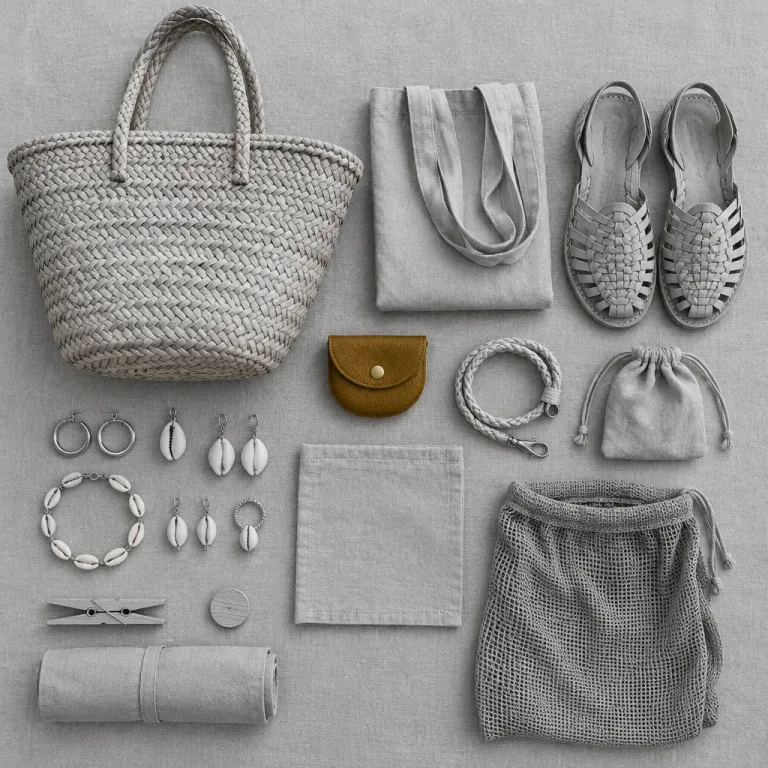
How this tulum mexico shopping guide helps you choose your hotel
Tulum in Mexico blends a relaxed beach lifestyle with refined design and strong local traditions. When you plan a trip to Tulum Mexico, the hotel you choose will shape how easily you reach artisans, markets, and the most beautiful independent shops in town. This tulum mexico shopping guide focuses on where you stay, so your time and budget translate into meaningful encounters with the local community.
Along the Caribbean coast of the Yucatán Peninsula, Tulum stretches between the jungle, the beach, and the archaeological zone with Mayan ruins. Each area, from Tulum beach to downtown Tulum and Tulum centro, offers a different way to visit workshops, cenotes, and small studios where Mexican makers sell directly. You will find that choosing a hotel located near the right streets or beach road can turn a simple trip into a great cultural experience with easy access to the best things to buy and the people who create them.
Travelers often book a hotel only for the view of the beach or a quick tour to Chichén Itzá, but they miss the chance to meet artisans who define the character of Tulum town. This guide will show how to align your Tulum travel plans with shopping Tulum responsibly, from textiles and ceramics to natural beauty products. When you plan a trip Tulum stay with intention, you support the local economy, enjoy more authentic service, and return home with stories and objects you can confidently recommend to friends who value meaningful purchases.
Choosing your area: beach, town, or jungle for shopping access
The first decision for any hotel in Tulum Mexico is location, because where you sleep will shape how and where you shop each day. The main zones are Tulum beach along the coast, Tulum town and Tulum centro inland, and the quieter jungle stretches between the beach road and the highway. Each area offers different access to cenotes, markets, and artisan studios, so this travel guide compares them clearly.
Staying in the hotel zone on Tulum beach places you close to high end concept stores, curated fashion, and design focused galleries that line the beach road. You will find many shops here that highlight Riviera Maya aesthetics, with linen clothing, woven bags, and homeware inspired by the nearby Mayan ruins and the turquoise sea. This area is beautiful and convenient if you want to walk from your hotel to a beach club, swim, then browse shopping Tulum options without using taxis every time.
Hotels located in downtown Tulum and Tulum centro suit travelers who want better prices, more everyday Mexican life, and easier access to colectivos for tours. From here, you can reach local markets such as Mercado Tulum on Avenida Tulum, family run stores, and transport to cenotes and Chichén Itzá while still finding stylish shops on side streets. If you split your trip between town and beach, you will experience both the relaxed coastal mood and the energetic local community that keeps Tulum running all year.
Staying near artisans: where local makers live and work
Many of the most interesting artisans in Tulum live away from the busiest part of the hotel zone, often closer to Tulum town and the surrounding jungle. When you choose a hotel located near residential streets rather than only the main beach road, you increase your chances of finding small workshops and home based studios. This tulum mexico shopping guide encourages you to ask reception staff about neighbors who weave, carve, or sew, because they often know families personally.
In Tulum centro and downtown Tulum, you will find cooperatives that bring together crafts from across the Yucatán Peninsula and the wider Riviera Maya. These spaces often sell textiles, ceramics, and jewelry made by communities who also live near cenotes and Mayan ruins inland, so your purchase supports several towns at once. Staying in a hotel here makes it easier to visit during the day, speak with makers, and arrange a tour to their villages if you want a deeper trip Tulum experience.
Along the road toward the Tulum ruins and beyond, some hotels sit between the archaeological site and town, giving quick access to both history and handicrafts. You can visit the ruins early in the morning, then stop at nearby stands where Mexican families sell embroidered clothing, hammocks, and carved stone pieces. One local weaver described it simply: “When guests stay close enough to walk here, they see how we live, not just what we sell,” which captures the spirit of responsible shopping Tulum choices.
What to buy in Tulum: textiles, ceramics, and natural beauty
Once your hotel is booked, the next step in any tulum mexico shopping guide is understanding what to buy and where it comes from. Tulum and the surrounding region offer textiles, pottery, and natural beauty products that reflect both Mayan heritage and contemporary Mexican design. Choosing carefully means your trip Tulum purchases will last over time and remind you of specific people, not just a generic beach vacation.
Handwoven textiles, including huipiles, throws, and cushion covers, often arrive from villages across the Yucatán Peninsula and Chiapas, then appear in shops along Tulum beach and in town. You will find both traditional patterns and minimalist designs that suit modern interiors, so ask staff which pieces come directly from cooperatives rather than large factories. Ceramics range from rustic clay mugs to refined tableware, and a good travel guide will suggest checking for the maker’s name or town stamped underneath.
Natural beauty products are another of the best things to buy when you visit Tulum Mexico, especially if you spend much time in the sun or at a beach club. Look for soaps, oils, and balms made with local ingredients such as coconut, cacao, and herbs used traditionally in cenotes side communities. When a hotel highlights these items in its lobby shop or spa, it often signals a stronger relationship with local producers, which many guests highly recommend supporting.
Planning your shopping day: routes from your hotel
A thoughtful shopping day in Tulum starts with a simple route that connects your hotel, key streets, and maybe one cenote or cultural stop. If you stay in the hotel zone, begin early along the beach road before the heat rises, visiting a café, a few design stores, and then a quiet stretch of sand. Later, you can return to your room, drop purchases, and continue toward Tulum town for more casual markets and everyday Mexican shops.
Guests based in downtown Tulum or Tulum centro will find it easier to walk or cycle between neighborhoods, then take a taxi to Tulum beach for sunset. Many hotels lend bicycles, which turns your tulum travel into a relaxed tour past murals, small grocery stores, and hidden workshops located on side streets. A typical half day might start around 9:00 a.m. with coffee near Avenida Tulum, continue with two or three studio visits before lunch, and finish with a late afternoon swim before dinner back in town.
Some travelers like to combine shopping Tulum with a cultural tour, such as visiting the Tulum ruins in the morning and a cenote in the afternoon. From there, you can stop at roadside stands or small town markets on the way back to your hotel, often discovering great pieces at fair prices. This rhythm gives you beach time, history, and direct contact with artisans in a single day, which many people later describe as the best part of their trip.
Working with local guides, hotels, and community projects
Responsible shopping in Tulum Mexico depends on the relationships between hotels, local guides, and community projects that support artisans. When you check in, ask whether the hotel collaborates with cooperatives, recommends specific tours, or hosts small markets in the lobby or garden. A property that can connect you with cenotes side villages or Mayan ruins area communities usually has invested real time in building trust.
Many independent guides in Tulum town and downtown Tulum now offer combined experiences that include a visit to Chichén Itzá or other sites on the Riviera Maya, a swim in cenotes, and a stop at artisan workshops. These tours help you understand how textiles, pottery, and jewelry fit into daily life across the Yucatán Peninsula, not only as souvenirs. When a travel guide or hotel concierge explains who benefits from each stop, you can choose the options that align with your values and budget.
For guests who want to support the local community beyond a single trip Tulum stay, some hotels partner with long term projects that fund education or craft training. You might see information in your room about where items are made, which families are involved, and how your purchase will help them over time. If you appreciate this transparency, tell the staff you highly recommend such initiatives, because your feedback encourages more properties along Tulum beach and in town to follow the same path.
Key figures about Tulum travel, hotels, and local shopping
- The Riviera Maya region, which includes Tulum, receives several million international visitors each year according to data from Mexico’s Secretaría de Turismo, making it one of the most visited coastal areas in Latin America.
- Studies referenced by the World Tourism Organization indicate that up to 30 % of traveler spending in destinations like Tulum can go to shopping and local services when visitors stay in hotels that promote nearby businesses.
- Research on community based tourism in the Yucatán Peninsula shows that purchases from artisan cooperatives can keep between 60 % and 80 % of the final price within the producing community, compared with much lower shares in conventional retail chains.
- Environmental assessments from regional NGOs report that hotels and tours which limit group sizes and encourage visits to less crowded cenotes help reduce pressure on fragile freshwater ecosystems near Tulum.
FAQ about hotels and shopping in Tulum Mexico
Which area is best for shopping access, Tulum beach or Tulum town ?
Tulum beach offers high end design stores and concept shops along the hotel zone, while Tulum town and Tulum centro provide better access to everyday markets and artisan cooperatives. If you want both, split your stay between a beach hotel and a town property. This combination gives you easy access to the sea and to more affordable, community based shopping.
How much time should I plan for shopping during a Tulum trip ?
Plan at least one full day spread across your stay, with shorter sessions before or after beach and cenote visits. Many travelers prefer two or three half days, which allows time to compare prices and quality between Tulum beach and downtown Tulum. This slower rhythm also lets you speak with artisans and understand the stories behind their work.
Can I visit artisans directly from my hotel with a guided tour ?
Yes, many local guides and small agencies in Tulum town organize tours that combine cenotes, Mayan ruins, and visits to artisan workshops. Ask your hotel reception for recommendations and check whether the guide works with established cooperatives. This approach usually ensures fair payment to makers and a more informative experience for you.
Are prices higher on the beach than in town for similar items ?
Prices along Tulum beach and the main beach road are generally higher than in Tulum centro or downtown Tulum, reflecting rent and operating costs in the hotel zone. You may find similar textiles or ceramics in town at lower prices, though selection and curation can differ. Many travelers browse on the beach to understand styles, then compare options in town before deciding.
What is the best way to support the local community when shopping ?
The most effective way is to buy directly from artisans or from cooperatives that clearly identify makers and their towns. Choose hotels and tours that highlight local partnerships, avoid aggressive bargaining, and prioritize quality over quantity. This ensures your spending stays in Tulum and nearby communities, strengthening the cultural fabric that makes the destination unique.
References
Secretaría de Turismo de México ; World Tourism Organization (UNWTO) ; local and regional reports from NGOs working in the Riviera Maya and Yucatán Peninsula.