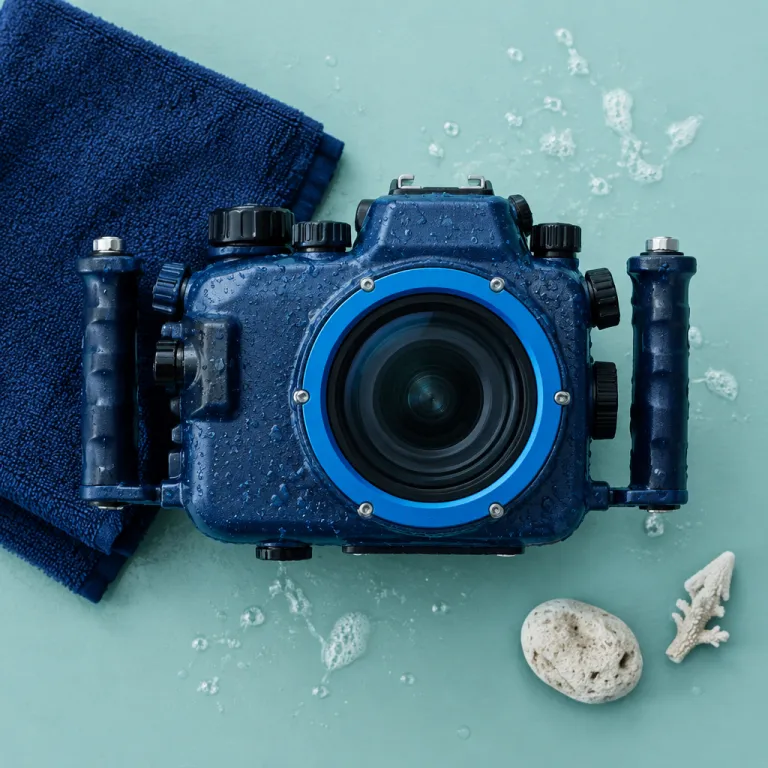
Choosing a hotel in Tulum for serious scuba diving and cenote adventures
Tulum sits between the Caribbean Sea and a vast underground river system, which makes it one of the most strategic bases for exploring Mexico scuba diving spots. When you book a hotel in Tulum, you are positioning yourself within easy reach of both reef diving in the open sea and world class cenote diving in crystal clear freshwater caverns. This dual access is what turns a simple beach stay into a rich diving experience with multiple dives across very different environments.
For certified divers, staying near the northern hotel zone or in town shortens transfers to famous cenotes such as Dos Ojos, Casa Cenote and Cenote Carwash. These areas also offer quick access to the main coastal road, so your dive tour operator can collect you efficiently for early morning reef dives and cenote dives without wasting time in traffic. If you are planning to complete a PADI Open Water course or an advanced water diver certification, choose accommodation that partners with a reputable diving Tulum school and offers secure gear storage, rinse tanks and shaded drying areas.
Non certified guests often start with a resort based introductory scuba diving lesson in the pool, then progress to a shallow open water dive at a nearby reef. When you evaluate hotels, ask whether they collaborate with PADI certified or equivalent instructors, and whether the training schedule fits your holiday rhythm rather than forcing you into rigid classroom blocks. A property that understands divers will help you book flexible tours, arrange early breakfasts on dive days and coordinate with operators in Tulum, Playa del Carmen and Cozumel so you can sample several of the region’s best underwater sites in one stay.
From reef to cenote: mapping the best tulum Mexico scuba diving spots
The coastline off Tulum forms part of the Mesoamerican Barrier Reef, which offers gentle reef diving for beginners and more complex dives for experienced guests. Shallow sites close to shore feature calm water and abundant marine life, making them ideal for your first open water dive after training in a pool. Deeper dives further along the reef reward advanced divers with stronger currents, larger schools of fish and the chance to refine buoyancy skills before attempting overhead cenote dives.
Many visitors combine a half day reef tour with an afternoon cenote dive, using Tulum as a central hub between the Caribbean and the jungle. Operators often schedule two tank dives in the morning on the reef, followed by one or two dives cenote in the late afternoon when the light beams are strongest inside the caverns. If you are staying in a hotel that caters to divers, staff can help you book these combined experiences and advise whether your current water certified level is sufficient for specific cenotes.
When you want refined non diving activities between dive days, choose a property that offers curated experiences such as private tastings, spa rituals and art focused excursions. Many hotels now design itineraries that balance demanding scuba days with relaxed cultural outings, and you can find inspiration in guides to refined things to do in Tulum for hotel guests that highlight gastronomy, wellness and low impact exploration. This balance matters, because alternating intense dives with slower days on land keeps your energy stable and makes each diving experience feel more special.
Cenote diving near Tulum: dos ojos, casa cenote and cenote carwash
The cenotes around Tulum are sinkholes that expose the region’s underground rivers, and they offer some of the most iconic tulum mexico scuba diving spots. Cenote diving requires precise buoyancy and comfort in overhead environments, so most operators insist that each diver holds at least an Open Water certification before entering the caverns. When you book your hotel, confirm that reception staff understand these requirements and can connect you with guides who specialise in cenote dive planning rather than only reef excursions.
Dos Ojos, often written as Cenote Dos Ojos, is famous for its twin pools and long cavern lines where beams of light cut through impossibly clear agua. Many divers describe their first dive in Dos Ojos as a turning point in their diving experience, because the combination of stalactites, haloclines and silence feels unlike any open sea environment. One instructor recalled a guest surfacing there and saying, “I thought I knew blue until I saw this water,” a reaction that captures why so many divers return to this site. To enjoy multiple dives at Cenote Dos Ojos without rushing, consider staying in Tulum town or on the northern stretch of beach, which reduces transfer times and allows you to schedule both morning and afternoon dives cenote with adequate surface intervals.
Cenote Carwash, officially named Aktun Ha, offers a different mood with its lily covered surface and wide open basin that leads into a spacious cavern. This site suits photographers who appreciate the contrast between green plants at the surface and the blue water below, and it is often recommended after you have already completed at least one cenote dive elsewhere. Casa Cenote, located closer to the coast, mixes freshwater and saltwater in a mangrove lined channel, so you can dive cenote while still feeling connected to the sea and then return easily to your hotel for a relaxed evening by the pool.
Planning reef and cenote tours from Tulum, Playa del Carmen and Cozumel
Using Tulum as your base allows you to reach a wide network of dive operators that run tours along the Riviera Maya, including Playa del Carmen and Cozumel. Many guests book a primary package of reef diving and cenote diving in Tulum, then add a day trip to Cozumel for its famous walls and clear water visibility. This multi destination approach lets you compare different tulum mexico scuba diving spots in a single holiday while still returning to the same comfortable hotel each night.
Playa del Carmen, often shortened to Playa del, sits roughly 65 kilometres north of Tulum and serves as the main ferry gateway to Cozumel. Some Tulum based operators organise full day excursions that include transport to Playa del Carmen, the ferry crossing, two dives on Cozumel’s reefs and a relaxed return in the evening. When you plan these days, speak with your hotel concierge about early breakfasts, secure storage for valuables and any special needs you have as a water diver, such as space to dry gear after late returns.
For guests focused on training, many schools offer PADI Open Water and advanced courses that combine classroom sessions in Tulum with open water dives on the reef and optional cenote modules. If you are already certified, you can choose more specialised tours such as deep dives, drift dives or photography focused dives cenote that emphasise light management in overhead spaces. Hotels that understand divers will help you book these experiences with operators that maintain small group sizes, use well maintained boats and follow conservative safety protocols across all dives.
Eco focused dive practices and how hotels can support responsible water adventures
The fragile ecosystems around Tulum demand careful behaviour from every diver, and your choice of hotel can either support or undermine that responsibility. Look for properties that partner with operators committed to reef friendly practices, such as strict no touch policies, neutral buoyancy training and the use of mooring lines instead of anchors during reef diving. These details protect coral structures and ensure that tulum mexico scuba diving spots remain healthy for future guests.
In cenotes, eco focused practices include limiting group sizes, avoiding sunscreen that can contaminate freshwater and maintaining quiet respect in sacred sites. When you book a cenote tour through your hotel, ask whether the operator follows local guidelines on maximum numbers of dives per day in each cenote and whether they support community led conservation projects. Responsible hotels often provide educational briefings about cenote diving etiquette, explaining why clear agua in sites such as Dos Ojos, Casa Cenote and Cenote Carwash depends on strict waste management and respectful behaviour.
Some properties go further by offering refill stations to reduce plastic water bottles, organising beach cleanups after storms and supporting reef monitoring programmes. As a guest, you can align your diving experience with these initiatives by choosing PADI certified schools that emphasise environmental modules in their Open Water and advanced courses. When your accommodation and your chosen dive centre share the same values, every dive cenote or open sea dive becomes part of a larger effort to protect the cenotes, reefs and coastal lagoons that make diving Tulum so special.
Aligning your hotel stay with weddings, special events and tailored dive itineraries
Many travellers now combine a stay in Tulum with weddings, anniversaries or milestone celebrations, and they want scuba diving woven seamlessly into those events. If you are attending a ceremony at one of the refined wedding venues along the coast, consider how your hotel’s location affects transfer times to both the event and your preferred tulum mexico scuba diving spots. Properties that specialise in hosting groups can coordinate dive tours for wedding parties, ensuring that certified divers enjoy reef diving while non divers join snorkel or cenote swimming excursions.
When planning such a trip, it helps to understand how Tulum Mexico wedding venues shape your stay, from transport logistics to quiet hours and private events on the beach. A hotel with experienced concierge staff can design parallel itineraries where some guests complete PADI Open Water training, others focus on cenote diving and everyone reunites for shared dinners or spa sessions. This level of coordination turns a simple holiday into a curated diving experience that respects both social commitments and underwater ambitions.
For couples or small groups, some hotels collaborate with operators such as Agua Clara Diving Tulum, Koox Diving or Infinity2Diving, which are known for personalised service and small group ratios. Working with a team like this allows you to book tailored packages that include reef dives, cenote dives and optional excursions to Playa del Carmen or Cozumel, all adjusted to your skill level as a water diver. One instructor described guiding a pair of newlyweds who “planned their vows around the surface interval,” a reminder that when your accommodation understands these partnerships, they can help you secure preferred time slots, arrange private transfers and ensure that every dive day fits smoothly around your event schedule.
Training, safety and choosing the right dive centre while staying in Tulum
Safety should guide every decision you make about diving in Tulum, from the moment you book your hotel to your final surface interval. Prioritise dive centres that employ experienced instructors, maintain their equipment rigorously and limit group sizes so each diver receives individual attention. A reputable operator will check your certification level, logbook and recent dives before recommending specific tulum mexico scuba diving spots, especially when cenote overhead environments are involved.
For new divers, completing a PADI Open Water course in Tulum offers the advantage of warm water, good visibility and a mix of pool, reef and cenote training. Many hotels host theory sessions in quiet conference rooms or shaded terraces, then coordinate with partner schools for confined water training and open water dives at nearby reefs. Once you are water certified, you can progress to more advanced cenote diving, including guided lines in Dos Ojos, Casa Cenote and Cenote Carwash, always under the supervision of professionals familiar with each cenote’s specific conditions.
Experienced divers should still schedule a gentle check dive on a shallow reef before attempting complex dives cenote or deep walls in Cozumel. Use this time to fine tune buoyancy, confirm that rental gear fits correctly and review emergency procedures with your guide. When your hotel and chosen dive centre communicate clearly about pickup times, medical considerations and equipment needs, you can focus on enjoying each dive cenote, reef dive and open water adventure across the many cenotes and coastal sites that define diving Tulum.
Key figures about scuba diving and tourism around Tulum
- The Mesoamerican Barrier Reef, which includes the reefs off Tulum and Cozumel, stretches for about 1 000 kilometres along the coasts of Mexico, Belize, Guatemala and Honduras, making it the second largest barrier reef system in the world after Australia’s Great Barrier Reef (data from the Healthy Reefs for Healthy People Initiative, a regional monitoring network).
- Quintana Roo, the Mexican state that includes Tulum and Playa del Carmen, receives more than 20 million visitors per year, and a significant share of these tourists participate in water based activities such as scuba diving, snorkelling and cenote tours (figures reported by the Quintana Roo Tourism Board in recent tourism summaries).
- Studies by local conservation organisations indicate that popular cenotes near Tulum, including Dos Ojos and Casa Cenote, can host several hundred visitors per day in peak season, which is why strict guidelines on group sizes and equipment cleaning are enforced to protect water quality.
- Training agencies such as PADI report that the Caribbean region, including Mexico’s Riviera Maya, consistently ranks among the top global destinations for Open Water certifications, thanks to warm temperatures, good visibility and accessible shallow reefs.
- Marine park regulations along the Riviera Maya require the use of mooring buoys at designated reef sites, a measure that has reduced anchor damage on coral structures and supports healthier reef diving conditions for both beginners and advanced divers.
FAQ about hotels and scuba diving in Tulum
Is Tulum a good base for both reef and cenote diving ?
Tulum is one of the best bases in the Riviera Maya for combining reef and cenote diving, because it sits close to the Caribbean Sea and within short driving distance of major cenotes such as Dos Ojos, Casa Cenote and Cenote Carwash. From most hotels, you can reach reef departure points in less than 20 minutes and cenotes in 30 to 45 minutes. This proximity allows you to plan multiple dives across different environments without long transfers.
Do I need to be certified to dive in Tulum’s cenotes ?
Yes, you generally need at least an Open Water certification from PADI or another recognised agency to participate in cenote diving around Tulum. Cenotes involve overhead environments and require solid buoyancy control, so operators rarely accept non certified divers for these dives. If you are not yet certified, you can complete your course in Tulum and then progress to cenote dives under professional supervision.
Which Tulum hotels are best for serious divers ?
Hotels that work closely with established dive centres, offer early breakfasts and provide secure gear storage are best for serious divers. Look for properties that can arrange daily pickups with operators in Tulum, Playa del Carmen and Cozumel, and that understand the timing needs of multi dive days. Reading recent guest reviews that mention scuba diving services is a reliable way to assess how well a hotel supports divers.
How many dive days should I plan for a Tulum holiday ?
A balanced itinerary for certified divers usually includes at least four to six dive days, allowing time for reef diving, cenote diving and possible excursions to Cozumel. Spacing dives with occasional rest days helps manage fatigue and gives you time to enjoy Tulum’s beaches, restaurants and cultural sites. Always leave at least 18 to 24 hours between your final dive and your flight home to respect no fly safety guidelines.
Can non divers still enjoy cenotes and boat trips from Tulum ?
Non divers can absolutely enjoy cenotes and boat trips from Tulum through snorkelling, swimming and relaxed sightseeing tours. Many operators offer mixed group excursions where certified divers complete deeper dives while others remain at the surface with a guide. When booking through your hotel, specify the mix of divers and non divers so the chosen tour suits everyone’s comfort level.