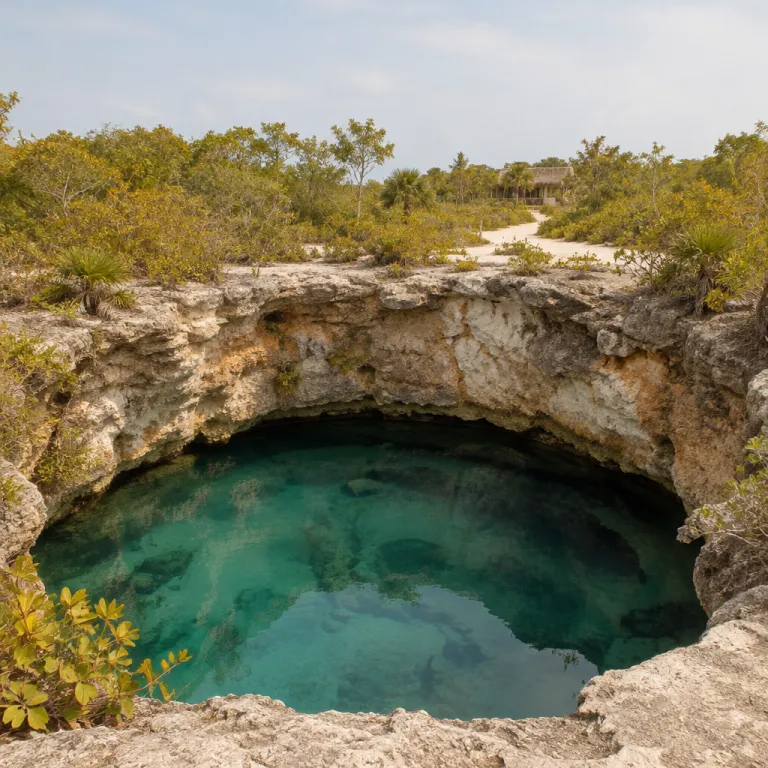
Understanding cenote Calavera depth before you book in Tulum
Cenote Calavera depth is the quiet detail that should guide where you sleep in Tulum. Most recent dive briefings put the cenote at roughly 18 to 19 metres at its deepest point, with typical cavern routes staying around 14 to 16 metres and a shallow central mound that rises to about 3 metres below the surface. Local dive briefings from operators based in Tulum town consistently describe this profile, which keeps the site within recreational limits while still feeling dramatically deep from the rim.
This compact cenote is located just off the road Coba, around 3 kilometres from central Tulum, so any property located Tulum side of the junction gives you a short transfer time of about 5 to 10 minutes. The site is technically a collapsed cave with three openings, so the surface feels intimate while the water column below remains surprisingly deep for such a small footprint. If you plan to stay along the Tulum Road corridor toward the beach, factor in that traffic on the main Tulum road can add time whenever popular cenotes are busy.
For swimmers and snorkellers, the shallow central mound that starts a few feet below the surface keeps the experience relaxed, while the outer ring drops toward the maximum cenote Calavera depth where divers descend. This layered profile makes the site good for mixed ability groups, because confident swimmers can enjoy the deep blue edges while cautious guests remain above the lighter water over the mound. When you compare hotels, look for clear information on transfer time to cenotes, whether they work with advanced cavern or cave guides, and how they brief guests on water safety at Calavera Cenote and other nearby sites.
From temple doom jumps to calm swims: matching hotels to your comfort level
Locals sometimes call this place “Temple Doom”, a playful nod to the cave-like drop through the openings into clear water. The famous jump platforms sit at the front edge of the main hole, where the rock lip is only a few metres above the surface but the cenote Calavera depth below reaches well beyond casual swimming range. Because the water column starts feet below the rim and then plunges quickly, you should choose accommodation that offers honest guidance on whether this popular site is suitable for your group.
Many hotels along the Tulum Road and the road Coba corridor partner with dive centres that specialise in cavern and cave training for advanced divers. These teams understand that the site is classified as a cavern dive, not a full cave penetration, yet the deep sections and halocline around mid depth still require discipline and good buoyancy control. One instructor from a long-running Tulum dive shop described Calavera to me as “the best classroom near town for learning how your mind reacts when the ceiling appears above you”, a sentiment echoed in independent dive logs and cenote reviews. When you book, follow up by email and contact the concierge to ask which operators they recommend for both recreational cenotes and more technical dives at Calavera Cenote.
If you prefer to stay dry, you can still enjoy the beautiful setting without entering deep water, especially during a cenote day that saves the trip when the sea is rough. Some hotels package transport to several cenotes in one outing, combining this popular site with calmer lagoons and shallow pools better suited to families. For detailed planning of such underground escapes, many travellers use curated cenote day itineraries from Tulum as a reference before confirming their room.
Choosing properties near cenotes and lagoons for families
Families weighing cenote Calavera depth against children’s abilities should focus on properties located Tulum side of town with easy access to both calm lagoons and deeper cenotes. The shallow central mound at this site offers a manageable zone for confident teens, while younger swimmers may be better suited to nearby lagoon-style cenotes with broad, shallow shelves. When you compare options, look for hotels that can arrange private guides who stay in the water with your group and manage time at each cenote carefully.
Some of the best family-friendly stays sit between the beach and the road Coba, giving quick access to both the Caribbean and inland water sites. From these locations, you can reach Calavera Cenote in minutes, then continue to other cenotes that are less deep but equally beautiful for relaxed floating and snorkelling. Ask whether the property has life jackets sized for children, clear rules about jumping areas at each site, and staff who can explain cenote etiquette in both English and Spanish, including fun details like the meaning of calavera Spanish for skull.
Parents planning several cenotes over a few days often rely on curated guides to Tulum cenotes for families, which also highlight where to stay and swim together safely. Resources that combine family focused cenote and hotel advice help you balance deep water thrills with calmer lagoons. When you read them alongside hotel descriptions, you can match each day’s water activity to your children’s confidence and your own appetite for adventure.
How cenote Calavera depth shapes diving experiences from your hotel
For certified divers, cenote Calavera depth is a central factor in planning dives from Tulum hotels. The deepest point is generally reported at close to 19 metres, while most guided cavern routes stay around 15 metres, which keeps the profile within recreational limits for those with good air management. Because the cave-like overhang and halocline layer sit at mid depth, you should choose accommodation that works with reputable cavern guides rather than generic tour sellers.
Many advanced divers prefer hotels located Tulum town side of the junction, because early departures along the Tulum Road and road Coba reduce traffic delays to the site. From there, operators can schedule two-tank days that combine this popular cavern with other cenotes, adjusting time at depth to avoid fatigue. When you book, ask whether the dive centre offers small groups, clear briefings on the cave ceiling, and protocols for managing mixed experience levels in the same water column.
Technical divers sometimes use cenote Calavera as a training ground for buoyancy and trim in overhead environments, even though it is officially a cavern site rather than a full cave system. The steep walls, deep blue water and narrow openings demand precise control, which makes this one of the best places near town for refining skills before more complex caves. If that is your goal, follow up with your hotel to contact operators who understand both the physical layout and the psychological impact of dropping from bright sunlight into a shadowed cavern.
Evaluating location, access and safety when staying near cenote Calavera
Location matters more than marketing language when you are choosing a place to stay near cenote Calavera. Properties located Tulum side of the highway offer shorter drives, while those further along the Tulum Road toward the beach trade quick cenote access for ocean views. Decide whether your priority is early morning entry to a popular water site or sunset cocktails by the sand, then filter hotels accordingly.
The entrance to Calavera Cenote sits just off the road Coba, with a simple parking area at the front and a short path leading to the rim. Because the cave opening is compact and the water below is deep, crowding can build quickly during peak time, which is another reason to stay close enough for early or late visits. When you read reviews, pay attention to comments about transfer time, driver reliability and how well staff explain the difference between open cenotes and cavern-style sites like this one.
Safety briefings should cover where the rock ledges start feet below the surface, how to climb the ladder, and why only confident swimmers should approach the deepest sections. A good hotel will also remind guests that cenote water is fresh and clear but can feel cooler than the sea, which affects comfort during longer swims. Before arrival, follow up by email and contact the front desk to confirm whether they provide towels, dry bags and guidance on respectful behaviour at sacred water places that locals still treat with care.
Designing a Tulum stay around cenotes, lagoons and cultural context
Planning your Tulum stay around cenote Calavera depth encourages a slower, more intentional way of travelling. Instead of rushing between attractions, you can structure days around one or two cenotes, a lagoon and a quiet evening at your hotel, letting the rhythm of water and light set the pace. This approach works especially well at properties located Tulum town side, where access to both inland sites and the archaeological zone is straightforward.
Many travellers pair Calavera Cenote with visits to other cenotes that are less deep but equally beautiful, creating a progression from shallow open pools to more enclosed cavern experiences. Hotels with knowledgeable concierges can suggest which sites suit beginners, which reward advanced divers, and how to sequence them so your body adjusts gradually to longer time in cooler fresh water. For broader regional context, some guests even plan inland excursions using curated daytrip and itinerary guides, then return to Tulum as a calm base between journeys.
Understanding that calavera Spanish translates to skull adds a layer of symbolism to the site, reminding visitors that cenotes were once portals in Maya cosmology. When you stay near the Tulum Road corridor, you are sleeping above the same porous limestone that shapes every cave, cenote and lagoon in the region, including this dramatic sinkhole. Choosing a hotel that respects this landscape, limits water use and supports responsible operators is one of the best ways to honour the deep blue world you have come to experience.
Key figures about cenote Calavera depth and access
- Cenote Calavera’s maximum depth is commonly reported at about 18 to 19 metres at its deepest point, which places it within recreational diving limits but still significantly deeper than many open swimming cenotes near Tulum town (based on recent dive logs and visitor reports from local operators in Tulum).
- Most guided cavern dives at this site use a working depth of around 15 metres, allowing divers to explore the halocline layer and overhangs while maintaining a conservative gas plan for standard cylinders (as reported by Tulum-based cavern diving guides).
- The shallow central sediment mound rises to roughly 3 metres below the surface, creating a natural platform that makes the cenote more approachable for confident swimmers who prefer not to hover over the full depth (according to site descriptions from operators who regularly guide at the cave).
- The halocline, where fresh and salt water meet, typically appears around mid depth, giving divers a clear visual cue that they are approaching the deeper section of the cavern zone (based on operator briefings at the site and logged dives).
- Cenote Calavera is located approximately 3 kilometres west of central Tulum along the road Coba, which translates to a drive of roughly 5 to 10 minutes from most town-based hotels depending on traffic on the main Tulum road.
FAQ about cenote Calavera depth and nearby stays
How deep is cenote Calavera for swimming and diving?
Cenote Calavera reaches close to 19 metres at its deepest point, while most guided dives stay around 15 metres in the cavern zone. Swimmers usually remain above the shallow central mound, which rises to about 3 metres below the surface and offers a more comfortable depth. This layered profile lets mixed ability groups share the same water while choosing their own comfort level.
Is cenote Calavera suitable for beginners?
The site can be suitable for confident beginners who are comfortable in deep water, especially if they stay above the central mound and avoid the jump platforms. For diving, it is treated as a cavern dive, so operators typically require at least an Open Water certification and good buoyancy control. Absolute beginners often start at shallower, more open cenotes before progressing to this partially overhead environment.
How far is cenote Calavera from most Tulum hotels?
Cenote Calavera is located about 3 kilometres from central Tulum along the road Coba, which usually means a 5 to 10 minute drive from town-based hotels. Properties along the Tulum Road toward the beach may need slightly longer because of traffic and junctions. Many hotels arrange shared shuttles or private taxis, so you rarely need more than a short transfer.
Which type of hotel location works best for visiting cenote Calavera?
Hotels located Tulum side of the road Coba junction offer the quickest access, making them ideal if you plan early morning dives or want to avoid crowds. Beachfront properties along the Tulum Road still work well but add a little transfer time in exchange for sea views. If cenotes and lagoons are your main focus, staying in or just outside town usually provides the most efficient base.
Do I need an advanced diving certification for cenote Calavera?
You do not strictly need an Advanced Open Water certification for standard cavern tours at cenote Calavera, but many operators prefer or recommend it because of the depth and overhead environment. At a minimum, you should have solid buoyancy skills and recent dive experience before entering this type of site. Technical or full cave training is only necessary if you plan to progress to more complex systems beyond the cavern zone.